Alopecia areata – When will your health insurance cover your hair transplant?
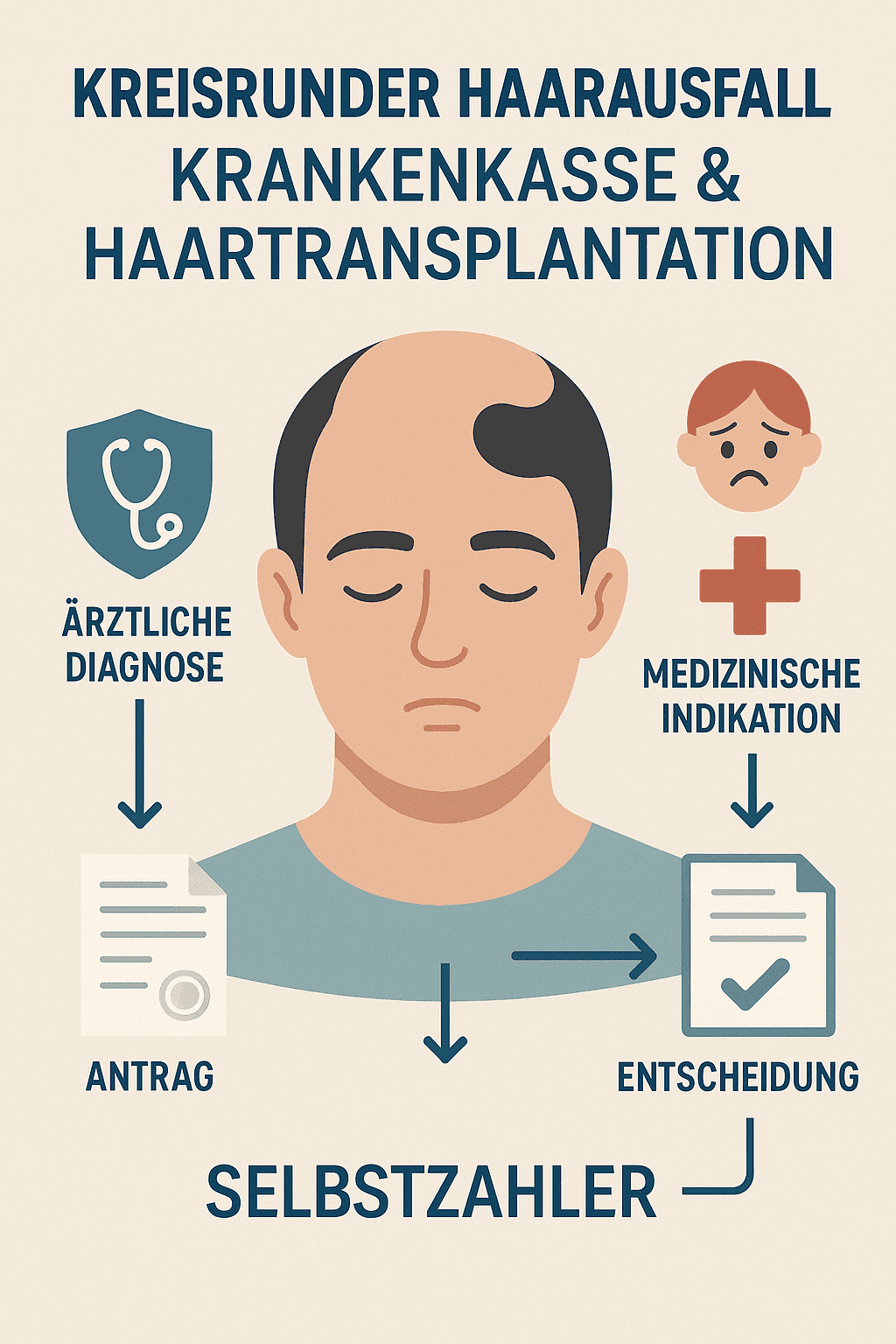
Alopecia areata (patchy hair loss) is a distressing condition that can appear suddenly and without warning. Those affected suffer not only from visible hair loss but also from significant psychological distress. In this comprehensive guide, we explain what triggers alopecia areata, what treatment options are available, and under what conditions health insurance will cover a hair transplant. The AS Clinic offers specialized solutions for people with alopecia areata.

What is alopecia areata?Alopecia areata, also known as patchy hair loss, is an autoimmune disease in which the body's own immune system attacks the hair follicles. This leads to characteristic, sharply defined bald patches that usually appear suddenly and can spread.
Characteristics and patterns
Alopecia areata : Single or multiple circular bald patches, usually on the head
Alopecia totalis : Complete loss of scalp hair
Alopecia universalis : loss of all body hair, including eyebrows and eyelashes.
Unlike androgenetic alopecia , which is genetically determined, alopecia areata can affect anyone – regardless of age or gender. Approximately 1-2% of the population is affected by it at some point in their lives.
Causes and triggers
The exact causes of alopecia areata (patchy hair loss) are not yet fully understood. However, scientists assume that several factors are involved:

Autoimmune reaction : The immune system mistakenly attacks the body's own hair follicles.
Genetic predisposition : Familial clustering in approximately 20% of affected individuals.
Stress and psychological strain : Can act as triggers
Association with other autoimmune diseases : Common in thyroid diseases, vitiligo, or type 1 diabetes mellitus.Current research suggests that T lymphocytes (a type of white blood cell) play a central role in the development of hair loss by attacking the hair follicles and disrupting their growth cycle.
Diagnosis by the dermatologist
Alopecia areata is usually diagnosed by a dermatologist based on the characteristic clinical picture:
Visual examination : Typical circular, smooth bald patches.
Trichoscopy : Microscopic examination of the scalp
Exclamation mark hairs : Short, broken hairs at the edge of bald patches.
Biopsy : In unclear cases, a tissue sample can be taken.
Blood tests : To rule out other autoimmune diseases
Treatment options for alopecia areataThe treatment for alopecia areata depends on the severity and individual course of the disease. Various approaches exist, ranging from conservative therapies to surgical procedures.
Conservative therapies
Treatment method | Mode of action | Application | Prospects for success |
|---|---|---|---|
Corticosteroids | Suppression of the immune response | Local, injectable or systemic | 60-70% with local application |
Immunotherapy (Diphenylcyclopropenone) | Redirection of the immune response | Local application | 40-60% with regular use |
Minoxidil | Promoting blood circulation | Local application | 20-40% as monotherapy |
JAK inhibitors | Inhibition of inflammatory signals | Oral or local | 50-75% in clinical trials |
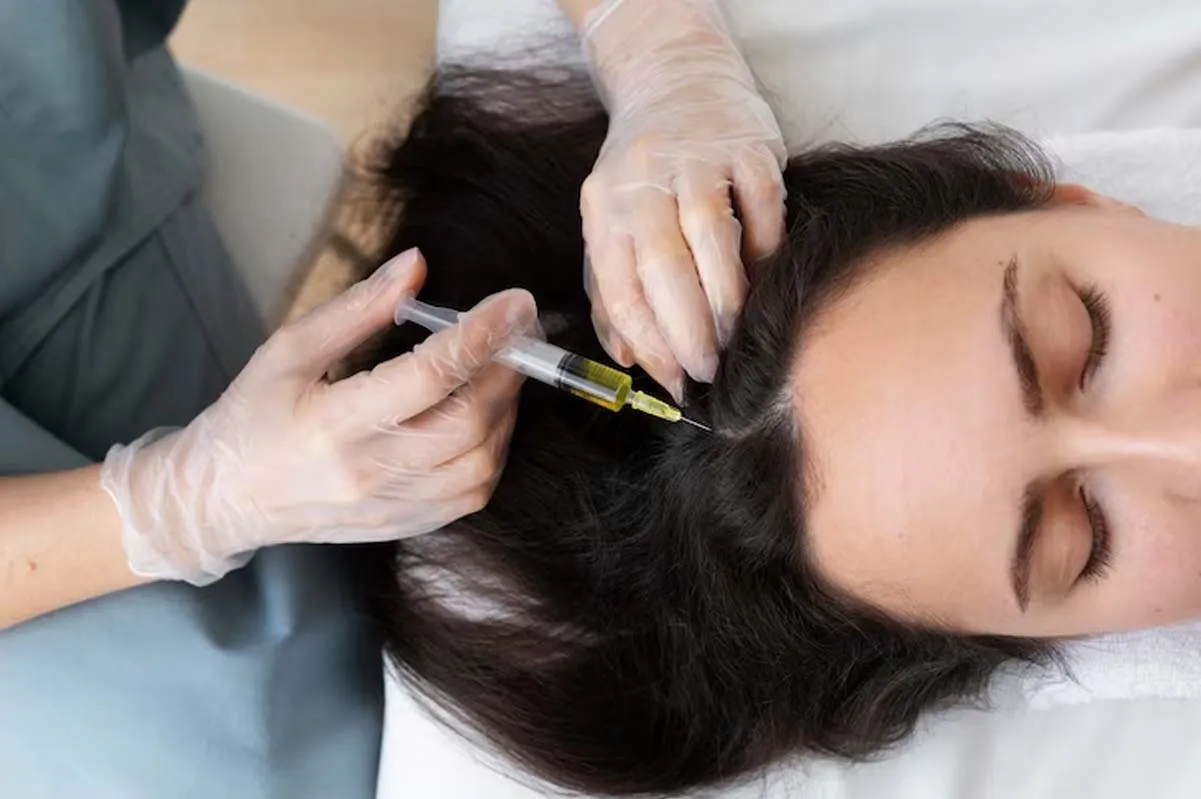
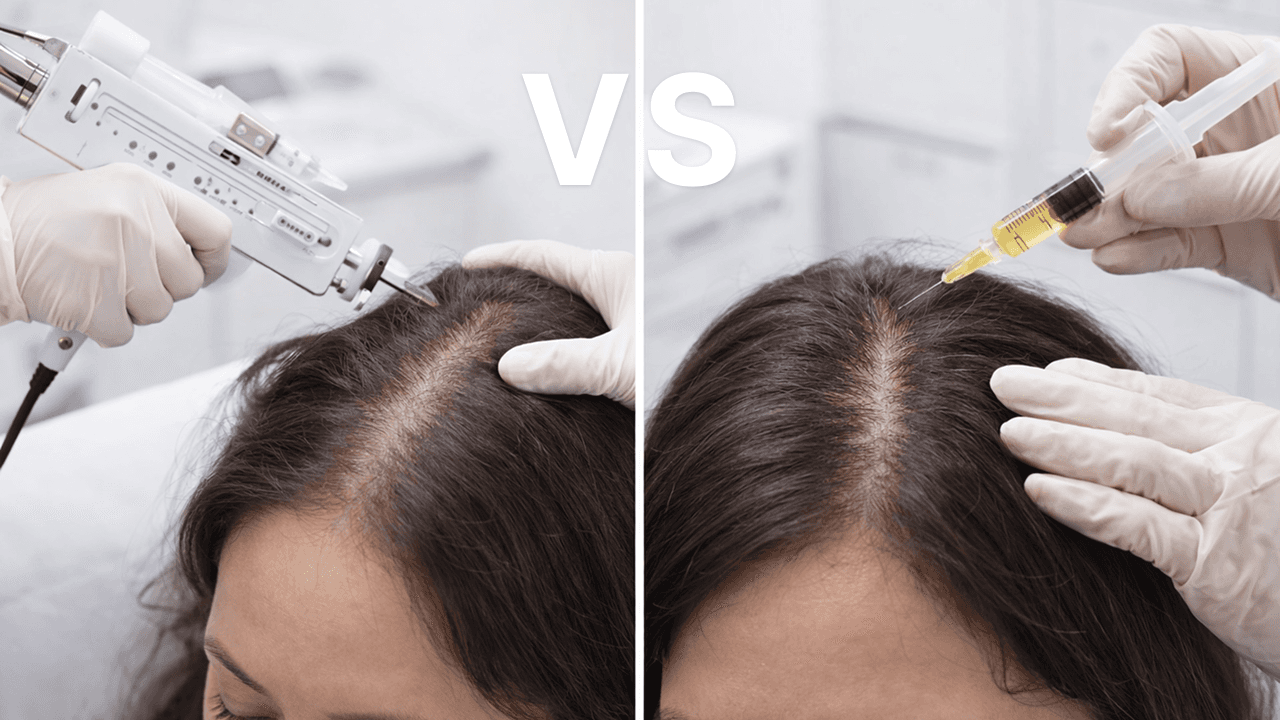
PRP therapy | Growth factors from autologous blood | Injection into the scalp | 30-40% improvement |
Recent clinical trials (30703-0/fulltext) with JAK inhibitors such as baricitinib and tofacitinib show promising results, especially in severe forms of alopecia areata.
Home remedies and natural alternatives
Many sufferers seek natural alternatives to drug treatment. However, these methods are mostly not scientifically proven.
Essential oils : Rosemary, thyme or lavender oil for local application
Dietary supplements : Zinc, biotin and vitamin D
Stress reduction : Relaxation techniques such as yoga or meditation
Acupuncture : Can be helpful in some cases.
Non-medical solutions
In cases of severe hair loss, the following options can be considered:
Wigs and hairpieces : A quick and flexible solution
Head coverings : scarves, caps or hats
Microblading : Semi-permanent makeup for eyebrows
Scalp micropigmentation : Tattooing of the scalp to simulate short hair
Hair transplantation as a permanent solution
Hair transplantation offers a permanent solution for certain forms of alopecia areata. Healthy hair follicles from unaffected areas are transplanted to the bald patches.
Hair transplantation for alopecia areata (patchy hair loss).Hair transplantation can be a viable option for alopecia areata, but it's not suitable for everyone. Suitability depends on various factors.
When is a hair transplant a good idea?
Stable phase : The disease should have been inactive for at least 1-2 years.
Limited extent : Smaller, clearly defined bald patches
Sufficient donor area : Enough healthy hair follicles must be present.
No active inflammation : The scalp should be free of inflammation.
Realistic expectations : The risk of recurrence remains.
Special features and challenges
Hair transplantation for alopecia areata differs from that for androgenetic alopecia:
Higher risk of relapse : possibility of the disease recurring.
Special techniques : Adaptation of the harvesting and implantation technique
Combination therapy : Often used in conjunction with immunomodulatory treatments
Multiple sessions : Several procedures may be necessary.
Modern transplantation techniques
Technology | Description | Advantages | Disadvantages |
|---|---|---|---|
FUE (Follicular Unit Extraction) | Individual extraction of hair follicles | No linear scar, faster healing | more time-consuming, more expensive |
DHI (Direct Hair Implantation) | Direct implantation without canal formation | More precise placement, less trauma | Higher costs, special equipment required |
Sapphire FUE | FUE with sapphire blades | Finer cuts, less tissue damage | Higher costs |
Robot-assisted hair transplantation | Computer-controlled extraction | Precision, consistency | Very high costs, not available everywhere |
AS -Clinic utilizes state-of-the-art techniques such as the FUE method, which is particularly gentle and results in minimal scarring. Years of experience with patients suffering from alopecia areata allow for the creation of individualized treatment plans.
Long-term results and prospects for success
The success rates of a hair transplant for alopecia areata vary:
Success rate : 60-80% for stable disease
Follow-up care : Regular check-ups and, if necessary, supportive therapies.
Recurrence risk : 20-30% risk of renewed hair loss in the transplanted areas
Cost coverage by the health insurance companyThe question of who covers the costs of a hair transplant in cases of alopecia areata is complex and depends on various factors.
Basic regulations
Generally, hair transplants are classified as cosmetic procedures by statutory health insurance companies and are therefore not routinely covered. However, there are exceptions:
Medical necessity : Must be proven by expert opinion
Severity of the disease : Especially in cases of alopecia totalis or universalis
Psychological stress : Proven psychological sequelae
Unsuccessful previous treatments : Documentation of all previous therapy attempts
Specific conditions for circular hair loss
In cases of circular hair loss, special conditions apply for possible cost coverage:
Severe form : Alopecia totalis or universalis with significant impairment
Chronic course : Proven duration of at least 2 years
Treatment resistance : Documented unsuccessful treatment attempts with standard therapies
Psychological assessment : Evidence of significant psychological stress
Medical opinion : endorsement by dermatologists and, if necessary, other specialists.
Differences between statutory and private health insurance
Cash register type | Basic stance | Required evidence | Prospects for success |
|---|---|---|---|
Statutory health insurance funds | Restrictive, case-by-case review | Extensive medical documentation | Low to medium |
Private health insurance companies | Depending on the tariff, often more lenient. | It varies depending on the contract. | Medium to good |
Additional insurance | Possible depending on the contract | Review contract terms | Varies greatly |
According to a recent study , only about 5-10% of applications for reimbursement of costs for alopecia areata are approved.
Application and approval processGetting costs covered requires careful preparation and documentation. Here's a step-by-step guide:
Required documents
For a successful application, you will need the following documents:
Medical certificate : Detailed diagnosis and course of illness
Photo documentation : Images of hair loss over time
Therapy history : Documentation of all previous treatments and their results
Psychological assessment : Proof of psychological stress
Cost estimate : Detailed breakdown of the planned treatment
Personal cover letter : Description of the individual situation
Tips for a successful application
Early consultation : Seek expert advice before submitting your application.
Complete documentation : Collect all findings, prescriptions, and therapy records.
Obtain second opinions : Multiple expert medical opinions strengthen your application.
Emphasize the psychological component : The emotional burden is an important argument.
Choose a specialized clinic : Work with a clinic that has experience with health insurance claims.
AS -Clinic actively supports its patients in the application process and provides all necessary medical documents.
Dealing with rejection
If your application is rejected, you have several options:
File an objection : Within one month of receiving the decision.
Supplementary reports : Additional medical or psychological statements
Medical Service : Request a personal appointment with the Medical Service of the Health Insurance Funds (MDK).
Patient advice : Seek support from independent advice centers
Legal action : In case of repeated rejection, a medical law attorney can help.
Alternative financing optionsIf the health insurance company does not cover the costs, there are alternative ways to finance a hair transplant.
Partial cost coverage and subsidies
Hardship provisions : Some health insurance funds offer subsidies in cases of particular hardship.
Goodwill gestures : Voluntary partial reimbursement of costs possible
Self-help organizations : Some organizations offer financial support.
AS-Clinic financing models
AS -Clinic offers various financing options:
option | Description | Advantages |
|---|---|---|
Installment payment | Dividing the costs into monthly installments | No one-off payment, flexible terms |
Package prices | Fixed prices for defined treatment scopes | Planning security, no hidden costs |
3-pack/6-pack | Discounted treatment packages | Cost savings in extensive treatments |
Tax deductibility
Under certain conditions, the costs of a hair transplant can be claimed as an extraordinary expense for tax purposes:
Medical necessity : Must be proven by a medical certificate.
Reasonable burden : Only costs exceeding the individual limit are deductible.
Complete documentation : Keep all invoices and receipts.Seek individual advice from a tax advisor on this matter.
Circular hair loss in childrenAlopecia areata also occurs in children and presents parents with particular challenges. Approximately 20% of all cases begin before the age of 16.
Special characteristics in children
Often a good prognosis : Spontaneous improvement in 60-80% of cases.
Psychosocial effects : Bullying and social isolation are possible.
Treatment limitations : Many therapies are not approved for children.
Family support : Particularly important for coping
Treatment approaches for children
The treatment for children differs from that for adults:
Mild topical steroids : In lower doses
Minoxidil : Suitable for ages 12 and up, under medical supervision.
Psychological support : assistance in coping with illness
Creative solutions : Child-friendly headwear, special wigsHealth insurance companies are often more lenient in covering the costs of treatments for children, especially if psychosocial factors are documented.
Psychological stress caused by hair lossThe psychological impact of alopecia areata is often underestimated. Studies show that up to 70% of those affected suffer from significant psychological distress.
Frequent psychological consequences
Reduced self-esteem : Impairment of body image
Social isolation : Avoidance of social contact out of shame
Depression : Increased risk of depressive disorders
Anxiety disorders : Especially social phobias
Stress : This can in turn exacerbate hair loss.
Coping strategies
A holistic treatment should always take the psychological component into account:
Psychotherapy : Cognitive behavioral therapy can help
Self-help groups : Exchange with other affected individuals
Relaxation techniques : Stress reduction through yoga, meditation, etc.
Open communication : Don't hide the illness, but accept it.In addition to medical treatment, AS -Clinic also offers psychological support to provide holistic care for patients.
The services offered by AS-ClinicAS -Clinic has established itself as a leading center for the treatment of alopecia areata (patchy hair loss). What sets us apart:
Specialization and expertise

Extensive experience : Our team, led by Ali Reza Simaee, has over 12 years of experience in the treatment of alopecia areata.
Specialized team : Our doctors specialize in the particular challenges of alopecia areata.
State-of-the-art techniques : We rely on innovative procedures such as FUE and DHI, which are particularly gentle and effective.
Comprehensive support
At the AS-Clinic you receive holistic care:
Comprehensive diagnostics : Detailed analysis of your individual situation
Tailor-made therapy : Individual treatment plan
Support with health insurance applications : Preparation of all necessary documents
Aftercare : Long-term support and check-ups
Psychological support : Help in coping with psychological stress
Pricing and Financing

Initial consultation is free of charge.
Individual pricing : Depending on scope and severity
Installment payment possible
3- or 6-packs with discount
Support with health insurance applications included
Testimonials from those affected
“After years of suffering from my alopecia areata, I decided to have a hair transplant at the AS Clinic. The team not only provided me with outstanding medical care, but also supported me with my application to my health insurance company. Today, two years after the procedure, I am overjoyed with the result.” – Michael, 42 “When I was diagnosed with alopecia totalis, I thought I would have to live with a wig forever. The AS Clinic showed me that there are other options. Although my health insurance company initially refused coverage, the clinic was able to secure partial reimbursement. The hair transplant has given me back a significant amount of quality of life.” – Sabine, 35
Case study: Successful cost coverage
A 28-year-old patient with alopecia areata for over five years had undergone several unsuccessful treatment attempts. The psychological distress led to a diagnosis of depression. With the support of the AS Clinic, a comprehensive application was submitted to his statutory health insurance provider, which included the following elements:
Detailed documentation of the course of the illness
Documentation of all previous treatment attempts
Psychological report
Statements from three specialists
Personal letter from the patient
After initial rejection and an appeal process, the health insurance company finally covered 70% of the costs for the hair transplant.
Conclusion and recommendations for actionAlopecia areata (patchy hair loss) is a significant burden for many sufferers. In suitable cases, a hair transplant can offer a permanent solution. While coverage by health insurance is not automatic, it is possible under certain conditions.
Concrete steps for those affected
Medical diagnosis : Have your circular hair loss diagnosed by a dermatologist.
Explore treatment options : First try conventional treatment methods.
Documentation : Keep a diary of your illness and all treatment attempts.
Psychological support : Seek psychological help if needed.
Consultation : Arrange an appointment at the AS Clinic for individual consultation.
Application process : Seek professional support when applying for cost coverage.
AS -Clinic will support you with its expertise and accompany you on your way to a new quality of life.

Contact and adviceAre you suffering from alopecia areata and would like to learn more about your treatment options? Schedule a personal consultation at the AS Clinic. Our expert team will take the time to answer your questions and develop an individualized strategy for your hair problem.