Beard transplantation in Berlin: The complete guide
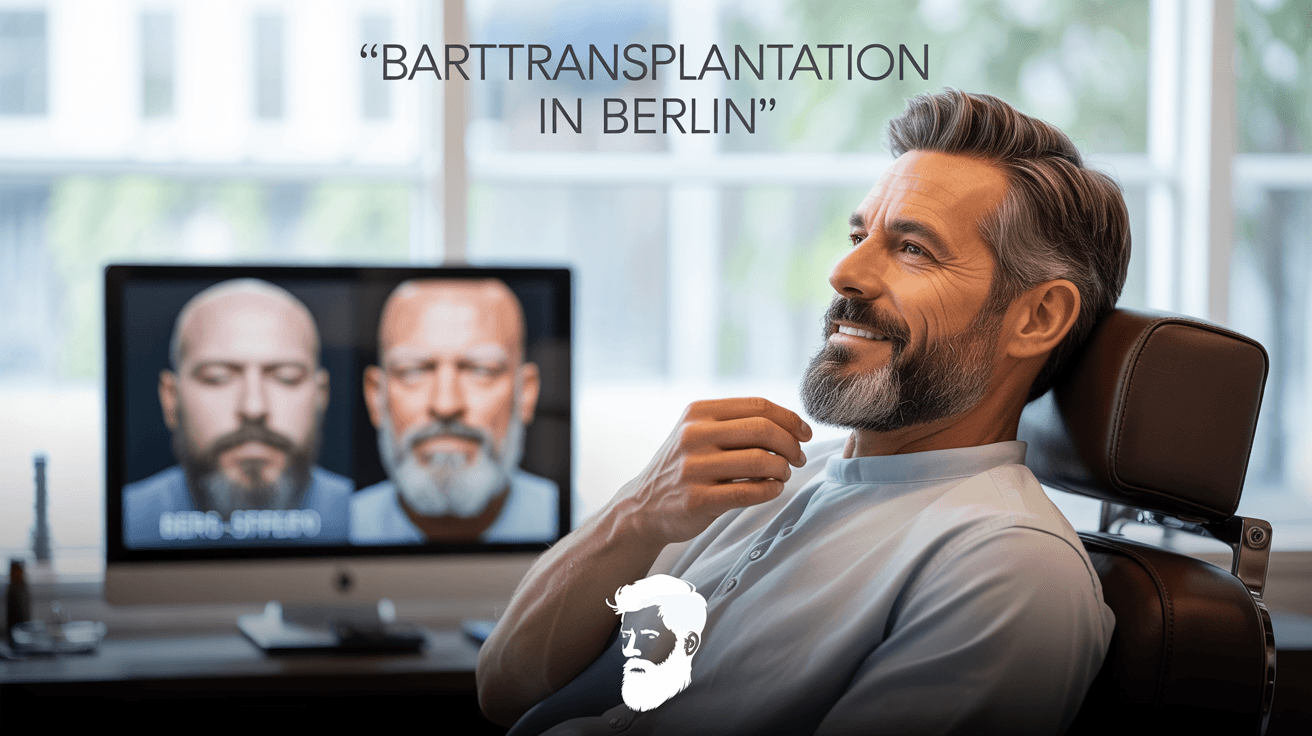
Do you dream of a full, even beard, but nature has blessed you with patchy beard growth? A beard transplant could be the solution. In Berlin, you have access to top-notch specialists and state-of-the-art techniques that can help you achieve the beard you desire. This guide provides you with all the essential information about beard transplants in the capital and the surrounding area.
What is a beard transplant?
A beard transplant is a minimally invasive surgical procedure in which hair follicles are taken from a donor area (usually the back of the head) and transplanted to the beard area. Unlike scalp hair, beard hair differs significantly in its structure – it is thicker, grows at different angles, and has a different growth phase, as the German Society for Hair Surgery explains.
The procedure takes advantage of the fact that hair follicles from the back of the head are genetically resistant to hair loss. When these are transplanted to the beard area, they retain their properties, leading to permanent results. After some time, the transplanted hairs grow like natural beard hairs and can be trimmed, shaved, and groomed.
The science behind the procedure is based on the principle of autotransplantation, in which the body's own tissue is used to fill gaps or thicken areas. The hair follicles are extracted individually or in small groups (grafts) and strategically placed, taking into account the natural growth direction and the typical beard growth angle.
Reasons for a beard transplant
A thick, full beard is a symbol of masculinity and attractiveness for many men. Unfortunately, not every man is naturally blessed with even beard growth. There are many reasons for a sparse or patchy beard:
Genetic factors
The main cause of insufficient beard growth lies in genetics. If your ancestors didn't have thick beards, your chances are also lower. Different ethnic groups have different genetic predispositions for beard growth – while, for example, men from the Middle East often have thick beards, many Asians or Northern Europeans suffer from sparse growth.
Scars and injuries
Accidents, burns, or surgeries can lead to scarring that prevents facial hair growth. A beard transplant can help conceal these bald patches and create a more even appearance.
Uneven beard growth
Some men can grow a beard in general, but the growth is uneven. Typical problem areas are:
Gaps between mustache and goatee
Weak growth on the cheeks
Bald patches in the chin area
Correction of previous procedures
Not every beard transplant is immediately successful. In some cases, a second procedure may be necessary to achieve the desired result or to correct previous transplants that looked unnatural.
Psychological aspects
For many men, a full beard is an important part of their self-image and self-confidence. Patchy beard growth can lead to insecurities and negatively impact psychological well-being. A successful beard transplant can therefore not only improve physical appearance but also boost self-confidence.
The decision to undergo a beard transplant should be made after careful consideration and comprehensive consultation with a specialist. In Berlin and the surrounding area, you will find top-notch specialists who can competently support you in making your decision.
Methods of beard transplantation
When choosing the right technique for your beard transplant, it's important to understand the different methods available. In Berlin, specialized clinics primarily offer two modern procedures:
FUE method (Follicular Unit Extraction)
The FUE method is currently the gold standard for hair transplants and is also the preferred method for beard transplants, as confirmed by the European Society of Hair Restoration Surgery . In this technique, the hair follicles are individually extracted from the donor area using a special microsurgical instrument.
Advantages of the FUE method:
No visible scars in the donor area
Shorter healing time
Minimal pain after the procedure
High precision in extraction
The FUE technique is particularly suitable for patients who prefer short hairstyles, as it leaves no linear scar. Renowned clinics in Berlin utilize state-of-the-art FUE technologies.
DHI method (Direct Hair Implantation)
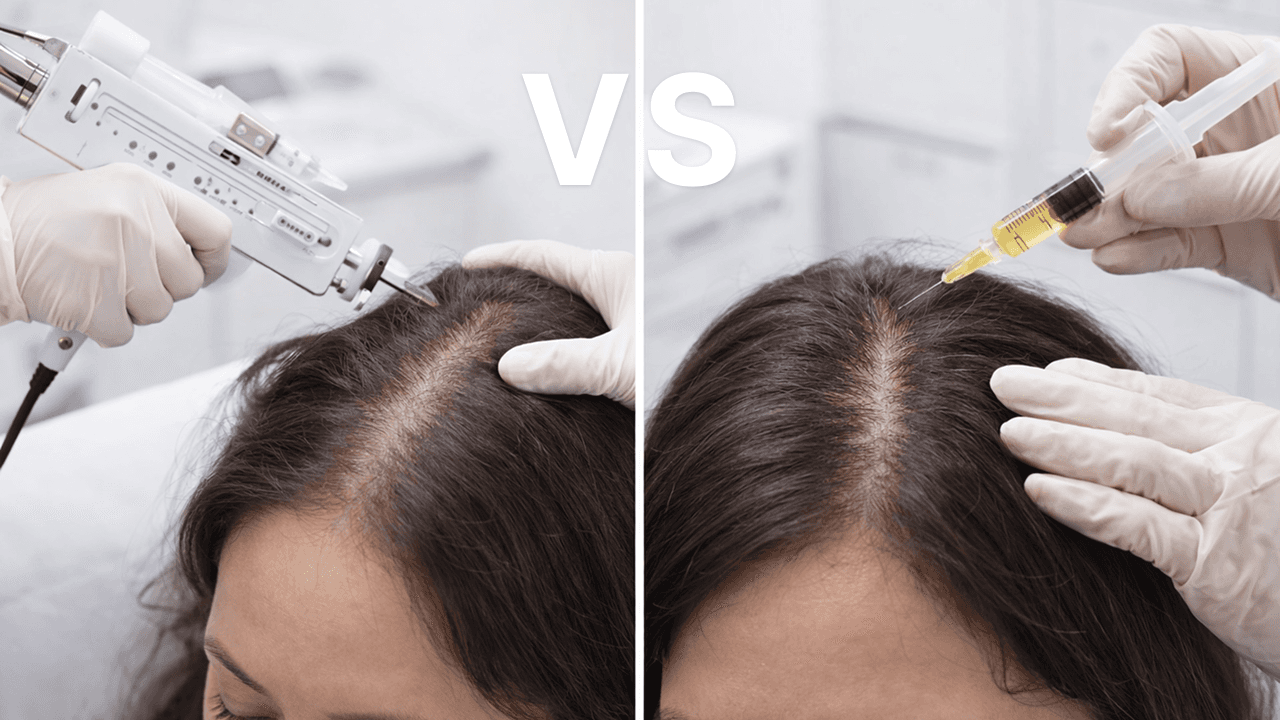
The DHI method is a further development of the FUE technique. After the hair follicles are extracted, they are inserted directly into the recipient area using a special implanter pen (Choi implanter). This is done without creating channels in the skin beforehand.
Advantages of the DHI method:
Greater precision in graft placement
Shorter time outside the body for the hair follicles
Faster recovery time
Minimal traumatization of the recipient area
Comparison of methods
criterion | FUE method | DHI method |
|---|---|---|
Sampling procedure | Individual removal of follicles | Individual removal of follicles |
Implantation technique | Canal formation, then implantation | Direct implantation without canal formation |
Healing time | 7-10 days | 5-7 days |
Cost | Cheaper | Slightly higher costs |
Suitable for | Large areas | Precise placement, finer beard lines |
Technological progress
Beard transplant techniques are constantly evolving. Modern clinics in Berlin are increasingly relying on computer-aided procedures and high-resolution microscopes to increase precision and improve results, as reported in the Journal of Cutaneous and Aesthetic Surgery . Innovative approaches such as the CMDHi method, a combination of micro-FUE and DHI, are offered by leading specialists.
Choosing the right method depends on several factors:
Scope of the area to be treated
Quality and availability of donor hair
Desired beard density
budget
An experienced specialist will recommend the optimal method after a thorough analysis of your individual case. According to the Bartkönig blog, in Berlin you have access to doctors who are proficient in all modern techniques and can tailor them to your individual needs.
Procedure of a beard transplant
A beard transplant is a well-structured process that includes several phases. In Berlin, these procedures are typically performed on an outpatient basis and last between 4 and 8 hours, depending on the extent of the procedure. The entire process is structured as follows:
1. Initial consultation and planning
The first step is always a detailed consultation with the treating physician. During this phase, the following will be discussed and determined:
Analysis of existing beard growth
Discussion of your wishes and expectations
Definition of the areas to be treated
Choosing the appropriate transplantation method
Estimation of the required number of grafts (hair follicle units)
Planning the optimal treatment appointment
In some Berlin clinics, computer-aided simulation can give you a preview of the potential result. Careful planning is crucial for a natural and aesthetically pleasing outcome.
2. Preparation on the day of treatment
On the day of treatment, some preparatory measures are taken first:
Photographic documentation of the initial condition
Marking of the areas to be treated and the donor area
Shaving of the donor area at the back of the head (with FUE method)
Disinfection of the treated areas
Local anesthesia of donor and recipient area
In most cases, the patient remains fully conscious throughout the entire treatment but feels no pain due to the local anesthesia.
3. Extraction of the hair follicles
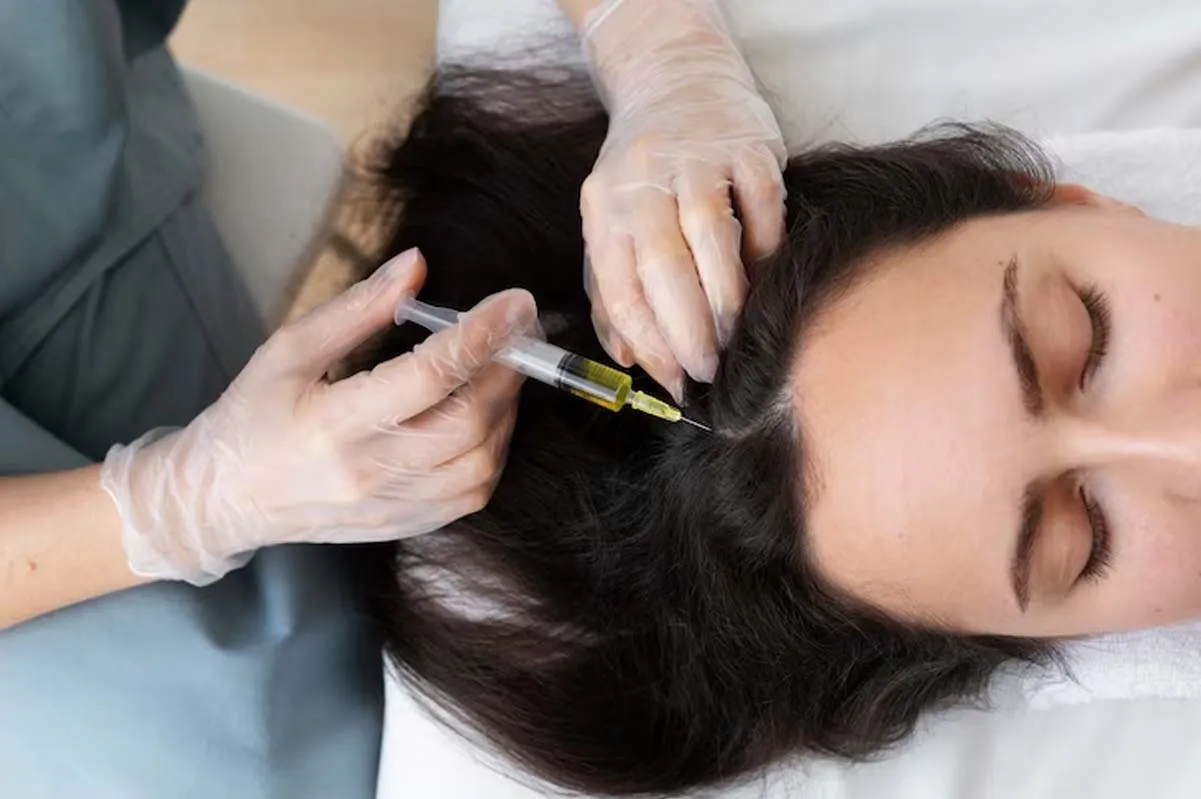
In the FUE method, hair follicles are individually extracted from the donor area at the back of the head using a special micro-instrument (0.7-0.9 mm in diameter). This phase takes approximately 1-3 hours, depending on the number of grafts required.
The extracted follicles are carefully examined under a microscope and stored in a nutrient-rich solution to maintain their viability, a procedure recommended by the Professional Association of German Dermatologists . High-quality clinics in Berlin pay particular attention to this critical step, as it significantly influences the success of the transplant.
4. Implantation of the follicles
In the next step, the extracted hair follicles are implanted into the previously defined areas of the beard:
In the classic FUE method, small channels are first created in the skin, into which the follicles are then inserted.
In the DHI method, the follicles are implanted directly into the skin using a special implantation pen, without prior channel formation.
Of particular importance here is the correct alignment of the follicles according to the natural growth direction of the beard. An experienced surgeon pays attention to the natural beard line and the correct angle of the hair follicles for an authentic result.
5. Conclusion and direct follow-up
After the implantation is complete, the treated area is cleaned and treated with a special cream or solution. The doctor will provide detailed instructions for aftercare during the first few days. Some clinics in Berlin and the surrounding area provide a follow-up care kit containing all the necessary products.
A bandage is usually not necessary. The patient can leave the clinic on the same day and should be picked up by someone else, as the after-effects of the anesthetic may impair driving ability.
Aftercare and healing process
Careful aftercare plays a crucial role in the success of a beard transplant. The healing process takes place in several phases and extends over a period of approximately 12 months until the final result becomes visible.
The first few days after the procedure
In the first 24-48 hours after the transplant, mild swelling and redness may occur in the treated area, as described on the website Haartransplantation-in-Berlin.de . These are normal and usually subside within a few days. The following guidelines should be observed during this time:
Sleep with your head slightly elevated to reduce swelling.
Avoid physical exertion and sports
No alcohol and no blood-thinning medication.
Do not sit behind the wheel of a vehicle (first 24 hours)
Carefully wash your face according to the doctor's instructions.
Use of prescribed medications and care products
Growth phases and development
After a beard transplant, the transplanted hairs typically go through the following phases:
phase | Period | What happens |
|---|---|---|
Shock phase | Days 1-14 | Light crusts form, transplanted hairs are visible |
Downtime | Weeks 2-4 | Most transplanted hairs fall out (normal process). |
Resting phase | Months 1-3 | Seemingly little activity, hair follicles recover |
Growth phase | Months 3-6 | The first new hair growth becomes visible. |
Compaction phase | Months 6-12 | Continuous thickening, beard growth becomes stronger. |
Final result | From month 12 | The final result has been achieved. |
Care tips for optimal results
To ensure the best possible success of your beard transplant, specialists in Berlin recommend the following aftercare measures:
For the first 10 days: Avoid touching, rubbing, or scratching the treated areas.
From day 3-5: Gentle washing with mild, doctor-recommended products.
After 10-14 days: Normal washing is possible, but still no aggressive cleaning.
From week 3: Gradual return to the normal care routine
From month 4-6: Regular, gentle care of the growing beard, as also recommended by the Central Association of the German Hairdressing Trade.
Important: Shaving the transplanted area should be avoided for the first 3-4 months. After that, an electric razor can be used, and wet shaving is possible after about 6 months – if desired.
Follow-up appointments
Most clinics in Berlin and the surrounding area offer structured aftercare programs:
First check-up: 2-3 days after the transplant
Second check-up: After 10-14 days
Further checks: After 1, 3, 6 and 12 months
These appointments are important for monitoring the healing process and initiating supportive measures if necessary, as confirmed by the Journal of the German Dermatological Society . At the AS Clinic, particular emphasis is placed on close and personalized aftercare to ensure optimal results.
Cost of a beard transplant in Berlin
The cost of a beard transplant in Berlin and the surrounding area depends on various factors and varies according to individual needs. According to the German Federal Association for Outpatient Surgery (BAO), transparent pricing is an important indicator of quality for reputable clinics.
Price structure and influencing factors
The costs are mainly determined by the following factors:
1. Number of Grafts Required:
The number of hair follicles (grafts) to be transplanted is the most important cost factor. In Berlin, beard transplants are often calculated based on the number of grafts, with prices per graft ranging from 2 to 5 euros.
2. Selected treatment method
The various techniques have different price structures, as confirmed by the portal TheHairBank-Berlin :
FUE method: More cost-effective, between 2,500 and 4,000 euros
DHI method: Somewhat more expensive, between 3,000 and 5,000 euros
Combined methods: Depending on the individual effort required
Risks and possible complications
Beard transplantation is considered a safe procedure with low risks; however, potential patients should be informed about possible complications. When performed by qualified doctors in certified clinics in Berlin and the surrounding area, the risk of serious problems is minimal.
Common temporary side effects
The following side effects occur frequently, but are usually temporary and subside without further treatment:
Swelling and redness:
The treated areas may be swollen and red for 3-7 days. Cooling and medication prescribed by a doctor will help relieve these symptoms.Crust formation:
After the procedure, small crusts will form at the implantation sites, which will fall off naturally within 7-10 days. These must not be picked or scratched off.Temporary hair loss (shock loss):
It is normal for the transplanted hairs to fall out approximately 2-3 weeks after the procedure. This is part of the natural growth cycle and is no cause for concern.Itching:
As healing progresses, itching may occur in the treated area. Scratching should be avoided; special care products can provide relief.Sensitivity:
The treated areas may be sensitive to touch, temperature differences, or sunlight for several weeks.
Less common complications
According to the German Association of Dermatologists (BVDD) , the following rarer complications can occur in approximately 2-5% of patients:
complication | frequency | Measures |
|---|---|---|
Infections | < 1% | Antibiotic treatment |
Folliculitis (inflammation of the hair follicles) | 2-3% | Drug therapy, special care |
Scarring | 1-2% | In more severe cases, corrective treatments |
Asymmetric growth | 3-5% | Follow-up treatment may be necessary after 12 months. |
Unnatural growth/incorrect growth direction | 2-3% | Correction by experienced specialists |
Minimizing risks
To reduce the risk of complications, experts in Berlin recommend:
Choose an experienced, specialized doctor with proven expertise in beard transplants.
Strictly follow the pre- and post-operative instructions of the treating team.
Avoid the following in the first few weeks after the procedure:
Smoking and alcohol consumption
Intensive sporting activities
Sauna visits and strong sun exposure
Swimming pool or sea visits
Please attend all scheduled appointments.
Warning signs: When you should consult a doctor
Seek immediate medical advice if you experience the following symptoms:
Persistent severe pain that cannot be controlled with painkillers.
Excessive swelling, especially if it does not subside after 5-7 days.
Heavy bleeding after the procedure
Signs of infection (increasing redness, warmth, pus formation)
High fever
Unusual numbness or persistent sensory disturbances
Long-term risks
Long-term negative effects of a beard transplant are extremely rare. In isolated cases, the following may occur:
Permanent changes in sensitivity in the treated area
Visible scarring in the donor area (especially with outdated methods)
Unsatisfactory aesthetic result
Reputable clinics in Berlin minimize these risks through state-of-the-art techniques, extensive experience and careful patient selection, as the European Medicines Agency (EMA) emphasizes in its quality guidelines.
Prospects for success and results
The success rate of a beard transplant is excellent when performed correctly by experienced specialists. In Berlin and the surrounding area, success rates of up to 95% are achieved for the permanent growth of the transplanted hair follicles.
Timeline leading to the final result
The path to the final result of a beard transplant takes place in several phases:
Period | Development |
|---|---|
1-2 weeks | Healing of the recipient and donor zone |
2-4 weeks | Hair loss from transplanted transplants (normal process) |
3-4 months | The first new hair follicles begin to grow. |
6-8 months | A noticeable increase in beard growth is visible. |
12 months | Complete end result with natural growth |
It is important to understand that patience is a crucial factor. According to the International Society of Hair Restoration Surgery (ISHRS), the full development of a transplanted beard can take up to a year, although individual variations are possible.
Factors that influence success
The quality and durability of the result depend on several factors:
Medical factors:
Quality of donor hair : The healthier and stronger the extracted follicles, the better the result.
Blood flow in the recipient area : Good blood flow promotes the growth of the transplants.
General health : Chronic illnesses can impair healing.
Genetic predisposition : Individual hair growth characteristics remain unchanged.
Treatment-related factors:
Surgeon's experience : The expertise of the performing physician is crucial.
Technique used : Modern procedures such as FUE and DHI offer better results than older methods.
Precision in implantation : The correct angle and placement of the follicles determines the natural appearance.
Quality of aftercare : Careful adherence to the care instructions promotes success.
Behavioral factors:
Adherence to aftercare instructions : Essential for optimal results
Avoiding smoking : Nicotine reduces blood flow and can jeopardize success, as the German Nutrition Society (DGE) also explains .
Healthy diet : Supports hair health and growth
Stress reduction : Chronic stress can negatively affect hair growth.
Long-term perspective of the transplanted hair
A key advantage of beard transplantation is the longevity of the results, as the experts at Hairwelt Berlin also emphasize. Since the hair follicles typically originate from genetically hair loss-resistant areas at the back of the head, they retain their original properties and are resistant to hormonally induced hair loss.
After successful healing, the transplanted follicles grow like natural beard hairs and can:
Cut and shaved
To match the texture and color of existing beard hairs
To be preserved for a lifetime
In some cases, slight thinning may occur after 5-10 years, but this rarely requires further treatment.
Realistic expectations
According to experts at the Bonn Hair Institute , it is important to have realistic expectations for a satisfactory result:
Natural density : A beard transplant can improve density, but it cannot always create an extremely dense full beard.
Growth direction : The hairs grow in the direction determined by the surgeon, which should correspond to the natural beard growth direction.
Color matching : The color of the transplanted hairs may differ slightly from the natural beard color, but often evens out over time.
Uniformity : Minor irregularities are normal and become less noticeable over time.
At the AS Clinic in Berlin, we place particular emphasis on honest consultation so that our patients know what results are realistically achievable. Thanks to our many years of experience, we can precisely assess individual possibilities and plan accordingly. The American Academy of Dermatology also recommends such transparent information before cosmetic procedures.
Choosing the right clinic in Berlin
Choosing the right clinic is a crucial factor for the success of your beard transplant. Berlin offers a wide range of providers, from specialized hair transplant clinics to general aesthetic centers. The website Gesundheitsstadt Berlin (Health City Berlin) provides valuable information on medical facilities in the capital. The following criteria will help you with your selection:
Qualifications and certifications
When searching for a suitable clinic, you should pay attention to the following qualifications, as also recommended by the information portal Hair Transplantation Germany :
Specialist training : Ideally, the physician performing the procedure should be a specialist in dermatology or plastic surgery.
Specialized training : Certificates for hair transplant techniques such as FUE or DHI
Memberships : Affiliation with recognized professional societies such as the International Society for Hair Transplantation (ISHRS)
Regular professional development : Proof of continuous training and knowledge of the latest techniques
Reputable clinics in Berlin present these qualifications transparently on their website or in personal consultations.
Important questions for the initial consultation
A reputable provider will answer all your questions patiently and thoroughly. Prepare the following questions for your consultation:
How many beard transplants does the surgeon perform annually?
Are the procedures performed by the doctor himself or by assistants?
Which method does the doctor recommend in your specific case and why?
How is the number of grafts required calculated?
What is the complication rate at the clinic?
What does the aftercare look like?
Is there a guarantee that the follicles will grow?
Are any follow-up treatments included in the price?
Importance of testimonials
Authentic testimonials from other patients can provide valuable insights into the quality of a clinic, as the patient portal Jameda also shows:
Online reviews : Look for detailed, balanced reviews on different platforms.
Personal recommendations : Ask the clinic to put you in touch with former patients (while respecting data privacy).
Before-and-after pictures : Ask to see documented cases similar to yours.
Social Media : Many clinics present results and patient feedback on their social media channels.
Please note that in Germany there are strict guidelines for the publication of before-and-after pictures, which is why these may often only be shown in personal consultations.
Renowned clinics in Berlin
Berlin has established itself as a center for high-quality hair transplants, as confirmed by articles in the German Medical Journal and by the Association of Hair Surgeons of Germany . Among the leading clinics is the AS Clinic, which distinguishes itself through the following features:
Specializing in hair and beard transplants
Use of state-of-the-art techniques such as FUE and DHI
Experienced team with comprehensive expertise
Individual consultation and tailored treatment concepts
Central location with good accessibility
Transparent pricing
When making your selection, you should consider several clinics and have consultations before making your final decision.
AS Clinic: Your specialist for beard transplantation in Berlin
AS Clinic has established itself as one of the leading centers for beard transplants in Berlin and the surrounding area. With a specialized team and state-of-the-art technology, we offer individual solutions for every patient, adhering to the highest standards of the German Society for Aesthetic Botulinum Toxin Therapy .
Our expertise
The AS Clinic team has extensive experience in the field of hair transplantation with a special focus on beard transplants:
More than 10 years of experience in performing hair and beard transplants
Specializing in natural-looking results
Individual adaptation of the treatment to the specific needs of each patient
Continuous professional development and implementation of the latest technologies
Our methods
We rely on scientifically sound and state-of-the-art methods:
Advanced FUE technique : Minimally invasive extraction of individual follicular units using state-of-the-art micro-instruments
DHI method : Direct implantation for precise placement and natural growth direction.
CMDHi procedure : Our innovative combination of micro-FUE and DHI for optimal results
Computer-aided planning : Precise analysis and planning for a natural beard appearance
Comprehensive service
Our patients benefit from a comprehensive, worry-free package:
Comprehensive initial consultation : Individual analysis and realistic assessment of the possibilities
Transparent pricing : No hidden costs or unexpected additional fees.
Structured aftercare : Close monitoring after the procedure with several check-up appointments.
Emergency hotline : Direct contact for questions or concerns after the procedure
Aftercare set : Special care products for optimal healing
Central location in Berlin
AS Clinic is centrally located in Berlin and easily accessible:
Good public transport connections
Parking spaces in the immediate vicinity
Modern and discreet premises
Pleasant and relaxed atmosphere