CMDHI: The combination of MicroFUE and DHI
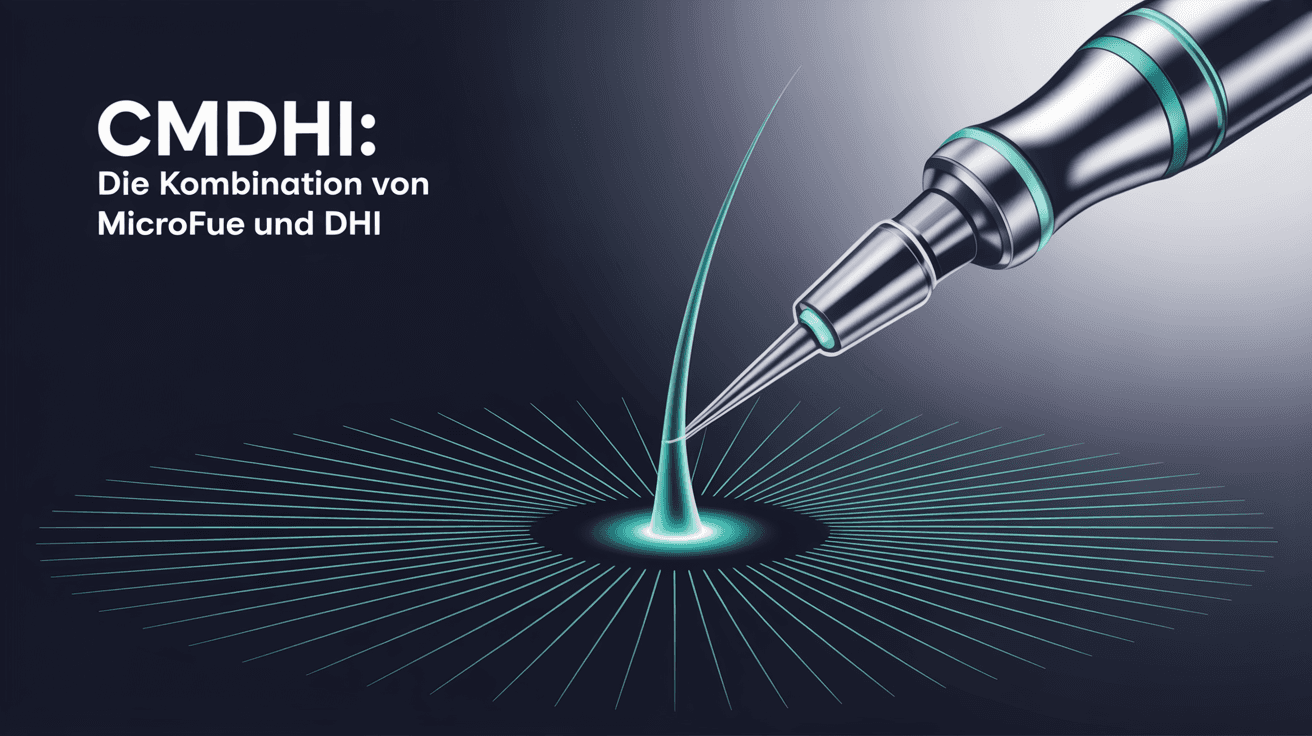
Hair loss affects many people and can severely impact self-esteem. With advancements in medical technology, hair transplantation methods have also evolved. One particularly innovative solution is the CMDHI method, offered in specialized clinics in and around Berlin. CMDHI stands for "Combined MicroFUE and DHI"—a technique that combines two of the most advanced hair transplantation procedures to leverage their respective strengths and compensate for their weaknesses.
This combination was developed to offer patients better results than with the use of a single method. The innovative approach combines the precise extraction technique of MicroFUE with the direct implantation method of the DHI technique. The result is a treatment that leads to more natural-looking results, a higher survival rate of the transplanted follicles, and faster recovery.
For people suffering from hair loss and seeking a long-term solution, the CMDHI method offers a promising path to fuller hair growth and a natural-looking head of hair. The combination of these two advanced techniques has raised hair transplantation to a new level, enabling customized solutions for diverse needs.
What are MicroFUE and DHI methods?
Before we take a closer look at the combined CMDHI method, it is important to understand the two underlying techniques.
MicroFUE (Micro Follicular Unit Extraction) is an advancement of the classic FUE method. In this technique , individual hair follicles are extracted from the donor area at the back of the head using microsurgical instruments and extremely thin hollow needles (usually less than 0.8 mm in diameter). Unlike older procedures such as FUT (Follicular Unit Transplantation), this method does not result in long scars, but only microscopic dot scars that are practically invisible. The extraction is performed under local anesthesia and is virtually painless for the patient. The main advantages of MicroFUE lie in the gentle extraction process, the rapid healing of the donor area, and the ability to wear very short haircuts without visible scarring.
The DHI (Direct Hair Implantation) method focuses on the implantation process itself. In traditional FUE (Follicular Unit Extraction), channels are first opened in the recipient area into which the hair follicles are later implanted. The DHI method skips this intermediate step. Instead, a special instrument is used – the so-called implanter or Choi pen. With this precision instrument, the hair follicles are implanted directly into the scalp at the desired location, without the need to create separate channels beforehand. This allows for exceptionally precise control over the depth, angle, and direction of each individual implanted hair. Furthermore, the follicles are exposed to the outside air for a significantly shorter period, which increases their survival rate.
In Berlin and the surrounding region, both procedures have established themselves as effective methods for treating hair loss. While MicroFUE is valued for its gentle extraction process, the DHI technique impresses with its precise implantation and the potential to achieve higher hair density.
The CMDHI process in detail
The CMDHI method combines the two presented techniques into a seamless process that maximizes the advantages of both approaches. The entire process typically takes place in one day and is carried out in several phases.
First, a detailed consultation takes place, during which the hair loss is analyzed, the donor area is examined, and an individualized treatment plan is created. Specialized clinics in Berlin place particular emphasis on a realistic assessment of the expected results. Photos are taken, and the hairline is planned together with the patient, ensuring a natural and age-appropriate appearance.
On the day of the procedure, the process begins with local anesthesia of the donor area. Then, individual follicular units are extracted using highly precise microsurgical instruments. This phase utilizes the MicroFUE technique and is performed with minimal tissue trauma. The extracted follicles are carefully examined under a microscope, sorted according to the number of hairs they contain, and stored in a special nutrient solution to maintain their viability.
Unlike the traditional FUE method, the hair follicles are not stored until all recipient channels are created. Instead, they are implanted directly into the scalp using the DHI implanter after extraction and testing. The specialized physician loads each individual follicle into the implantation pen and precisely places it in the designated area. This allows the depth, angle, and orientation of each individual hair follicle to be determined precisely.
Direct implantation without prior channel opening offers several advantages: Firstly, it is gentler on the scalp, as it causes less trauma. Secondly, the extracted follicles remain outside the body for only a very short time, which significantly increases their survival rate. Furthermore, this technique allows for greater hair density, as the follicles can be placed more precisely and closer together.
Throughout the entire procedure, the treating physicians ensure that the natural growth direction and angle of the hair are replicated in the respective area of the head. This is crucial for a natural result – a quality feature that is particularly emphasized in specialized clinics in the Berlin area.
Medical benefits of the combined method
The CMDHI method offers several medically relevant advantages over the individually applied techniques, which directly contribute to the success of the treatment.
A key advantage is the significantly higher survival rate of the transplanted hair follicles. With the classic FUE technique, the extracted follicles often need to be stored outside the body for an extended period until all recipient channels have been created. During this waiting time, the quality of the follicles can decline. With the CMDHI method, the follicles are implanted immediately after extraction, thus minimizing their exposure to the external environment. The result is a survival rate of up to 95% – a figure significantly higher than that of conventional techniques.
The hair density achievable with CMDHI also surpasses the results of conventional methods. Direct implantation with the DHI instrument allows for more precise and closely spaced placement of the follicles. Traditional procedures require larger distances between the channels to avoid compromising blood flow. The more precise approach of the DHI technique allows for the implantation of 35-45 follicular units per square centimeter – approximately 10-15% more than with standard FUE.
The CMDHI method also results in a more natural hairline. Precise control over implantation depth and angle allows the hairs to be placed exactly as they would naturally grow. This is particularly important aesthetically in the forehead area, where finer, individual hairs form the natural transition. The experienced doctors in Berlin pay special attention to this aspect and create a smooth, undetectable transition between existing and transplanted hair.
The healing process is also more favorable with the CMDHI method. Since no prior incisions or channels are necessary in the recipient area, there is less tissue trauma and bleeding. This leads to faster recovery with less swelling and less crusting. Patients report a recovery time that is approximately 30% shorter compared to traditional methods.
The medical community has documented these advantages in various studies. Research shows that combining the two techniques not only leads to aesthetically convincing results but also offers medically verifiable improvements in factors such as follicle survival, the healing process, and long-term hair growth. According to the International Society of Hair Restoration Surgery, combining both methods can lead to significantly better long-term outcomes.
For which patients is CMDHI particularly suitable?
The CMDHI method is not equally suitable for every patient. It demonstrates its strengths particularly in certain initial situations and hair loss patterns. For optimal decision-making, a personal consultation at a specialized clinic in the Berlin area is essential.
The CMDHI method is particularly well-suited for patients with advanced hair loss ( Norwood scale 3-5) who desire high hair density. The technique allows for the transplantation of a larger number of follicles while simultaneously increasing the survival rate, which is especially important for larger bald areas. At the same time, the procedure is so precise that it is also ideally suited for smaller, detailed areas such as the hairline.
Patients with fine hair particularly benefit from the CMDHI method. The DHI component of the technique allows for a particularly gentle treatment of fine hair follicles and precise placement that optimally complements the existing appearance. The direction and angle of implantation can be precisely adapted to the natural growth pattern, which is especially important for a natural-looking result with fine hair.
Younger patients (25-40 years) with progressive hair loss are also good candidates. In these patients, the CMDHI method can be strategically used to conceal the progressive hair loss while simultaneously preserving enough donor hair for possible future treatments.
Patients who desire the shortest possible downtime benefit from the faster healing of the CMDHI method. Because the scalp is less traumatized, swelling and visible signs of the procedure typically subside significantly after 5-7 days – approximately 2-3 days faster than with conventional methods.
However, there are also patients for whom other methods may be more suitable. In cases of very advanced hair loss with a limited donor area, it is necessary to individually assess which technique allows for the best possible use of the available follicles. Similarly, in cases of certain pre-existing scalp conditions or coagulation disorders, a different technique may be preferable.
Recovery process and expected results
After a CMDHI hair transplant, the patient goes through various phases of healing and hair growth. Understanding this process is important in order to develop realistic expectations and patiently wait for the final result.
In the first few days after the procedure, mild swelling and redness may occur in the treated area. However, thanks to the gentle method, these usually subside within 3-5 days. The tiny implantation points scab over slightly and fall off on their own after about a week. Patients can generally resume their normal activities after 2-3 days, but should avoid strenuous physical activity and direct sunlight for about two weeks.
Between the 14th and 21st day after treatment, the so-called "shock loss" often occurs – a normal process in which the transplanted hairs fall out. This is not a cause for concern, but rather part of the natural growth cycle. The follicles remain beneath the skin's surface and, after a resting phase, begin producing new hairs.
The first visible results typically appear after 3-4 months, when the new hairs begin to grow. The growth is initially fine and becomes stronger over time. A significant improvement is noticeable after about 6 months, with the final result only achieved after 12-18 months. Patients undergoing CMDHI treatments at specialized clinics in Berlin often report a higher growth rate in the first 6-8 months compared to traditional methods.
The expected results depend on various factors, including the quality of the donor area, the number of transplanted follicles, and individual healing processes. With optimal execution, a hair density of 35-45 follicular units per square centimeter can be achieved. Most patients report a satisfaction rate of over 90%, which is also attributed to the natural appearance achieved through the precise placement of the follicles.
It is important to understand that hair transplants treat existing hair loss but do not stop progressive hair loss. In some cases, complementary medication may be recommended to strengthen non-transplanted hairs and minimize further loss.
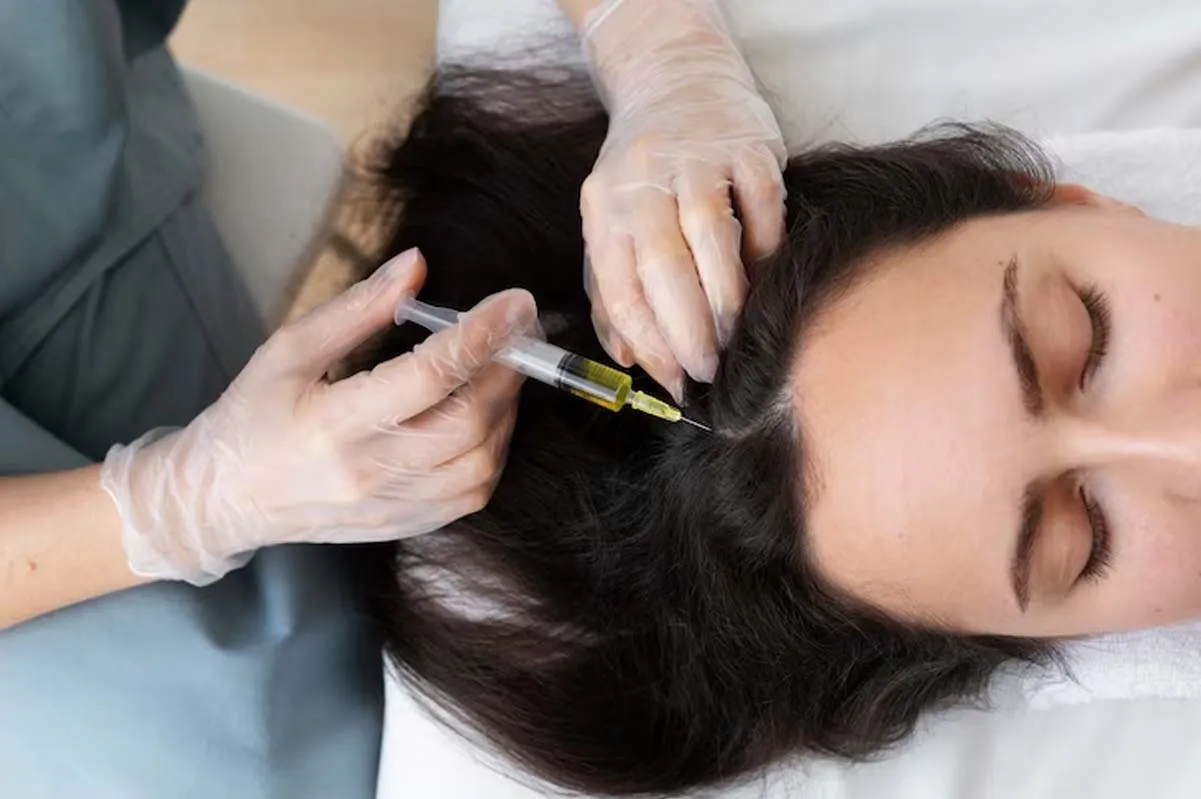
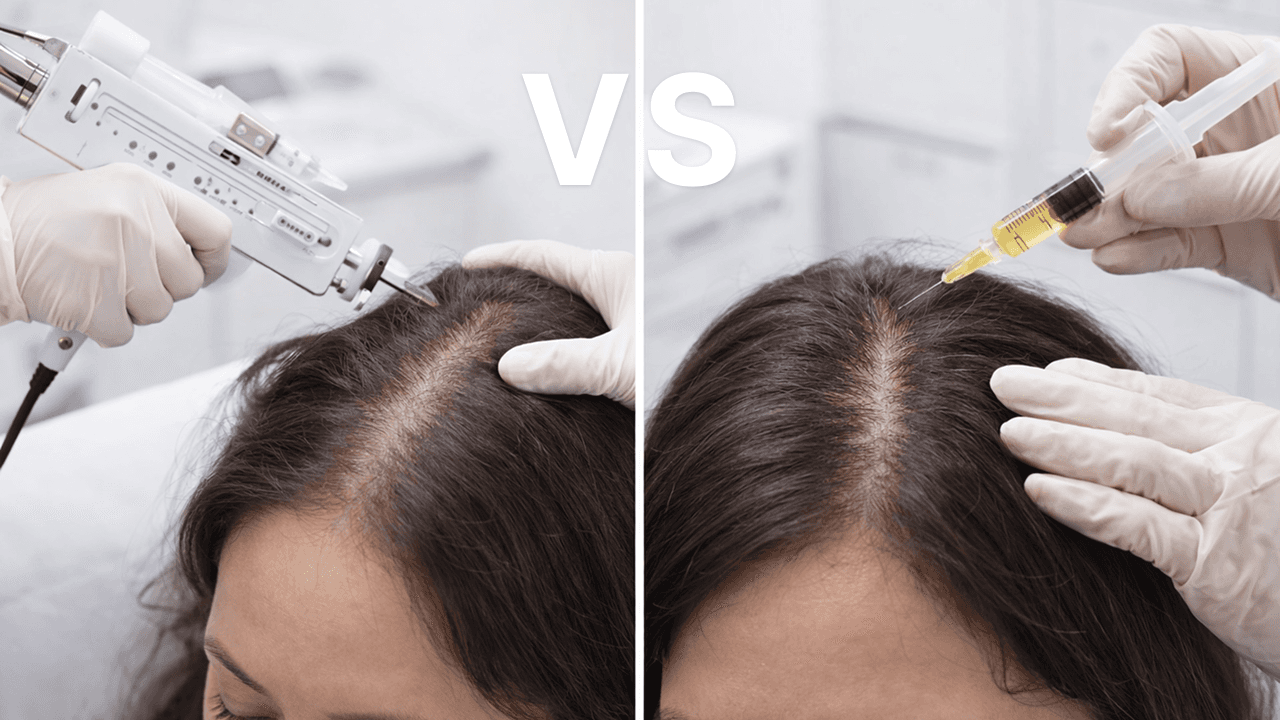
In addition, PRP (Platelet Rich Plasma) therapy can further improve the results of the CMDHI method, as recent studies show. In this procedure, growth factors are extracted from the patient's own blood and injected into the treated areas to accelerate healing and stimulate hair growth.
Costs and efficiency compared to individual methods
The choice of hair transplant method is also influenced by financial considerations. The CMDHI method, as a combined procedure, is generally associated with higher initial costs than the individual methods, but often offers better long-term cost-effectiveness.
In Berlin and the surrounding area, the cost of a CMDHI treatment typically ranges from €3,000 to €6,000, depending on the size of the area to be treated and the number of follicles to be transplanted. In comparison, a MicroFUE treatment alone costs approximately €2,500 to €5,000, and a DHI treatment costs €3,000 to €5,500. The exact costs are determined during a personal consultation and depend on individual factors.
The higher price of the CMDHI method is due to several factors: Firstly, the combination of both techniques requires specialized equipment and highly trained personnel. Secondly, the procedure takes somewhat longer, as each follicle is both extracted and implanted with the utmost precision.
The long-term economic viability of the CMDHI method results from several aspects:
aspect | Economic advantage |
|---|---|
Higher follicle survival rate | Fewer "lost" follicles mean more efficient use of the donor area. |
Lower revision rate | Only 5-8% of patients require follow-up treatment, compared to 10-15% with single methods. |
Faster healing | Less work absence and lower aftercare costs |
Long-term durability | More natural results age better with the patient. |
When considering costs, patients should also bear in mind that hair transplants, as cosmetic procedures, are generally not covered by statutory health insurance. However, there are special cases, such as alopecia areata (patchy hair loss) , where coverage may be possible under certain circumstances. Some clinics in Berlin offer payment plans to spread the financial burden.
Investing in a high-quality CMDHI treatment with an experienced specialist pays off in the long run. A naturally beautiful, full head of hair can not only boost self-confidence but also bring professional and social advantages. Furthermore, a high-quality initial treatment often prevents costly touch-ups, which are more frequently necessary with less precise methods.
Expert opinions and future perspectives
The CMDHI method is gaining increasing recognition among specialists. Hair transplant experts particularly appreciate the combination of precise extraction with controlled implantation and the resulting improved aesthetic outcomes.
Dr. Mehmet Erdogan, a renowned hair transplant surgeon, comments positively: “The combination of MicroFUE and DHI represents a significant advancement in our industry. We are seeing better growth rates and more natural results, especially in critical areas such as the hairline.”
In Berlin, the CMDHI method has already established itself as the preferred option for discerning patients. Specialized clinics are experiencing increasing demand, as word spreads that the results are more convincing and longer-lasting than with conventional methods.
The future of hair transplantation will likely be shaped by further refinements of the CMDHI technique. Research is focusing on various areas:
The integration of platelet-rich plasma (PRP) into the CMDHI process shows promising results in further improving follicle survival rates and accelerating hair growth after transplantation. This addition is already offered in several advanced clinics in the Berlin area.
The automation of certain aspects of the technique is also progressing. Robot-assisted systems can further improve the precision of follicle extraction and reduce surgeon fatigue, which can be advantageous during longer procedures.
The combination of hair transplantation and drug treatments is also evolving. New topical and oral medications show potential when used alongside the CMDHI method to promote the growth of transplanted hairs and slow the loss of existing hair.
For patients in Berlin and the surrounding area, this means that the quality and effectiveness of available treatments will continue to improve. The ongoing development of the CMDHI method promises even better aesthetic results and even greater patient satisfaction in the future.
Despite these promising developments, the experience and skill of the treating physician remain the most important factor for a successful outcome. Even the best technology can only reach its full potential in the hands of a qualified and experienced specialist.

Conclusion and contact information for the AS Clinic
AS -Clinic offers comprehensive support – from diagnosis and treatment to personalized care recommendations. Our experienced team, led by Ali Reza Simaee, has over 12 years of experience treating hair disorders.

Contact information and consultation services of the AS-Clinic
AS -Clinic is your specialist for all questions concerning gray hair and hair changes. Schedule a consultation today and learn about your individual treatment options.