Hair loss and its causes: A comprehensive guide
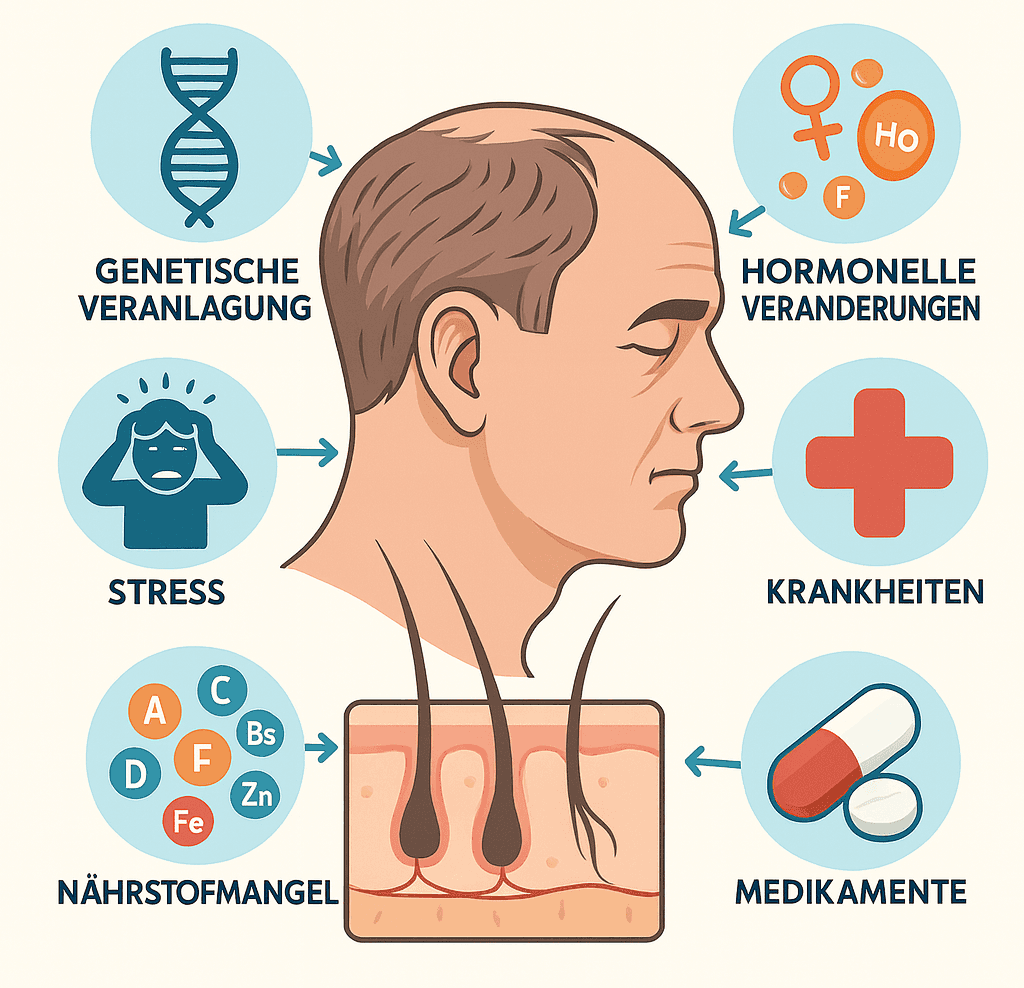
Everyone loses hair daily – this is normal and part of a healthy hair cycle. However, when hair loss increases and the scalp becomes visible, it can become a real problem. Hair loss affects millions of people worldwide and often has a significant impact on self-esteem. In this guide, we explain the different types of hair loss, their causes, and how the AS Clinic can help using state-of-the-art methods.

Current statistics on hair loss
New studies from 2023-2024 reveal interesting findings on the prevalence of hair loss:
Hair loss type | Frequency in the population | Particularly affected groups |
|---|---|---|
Androgenetic alopecia | 80% of men, 50% of women | Adults aged 30 and over |
Circular hair loss | 2% of the population | All age groups |
Diffuse hair loss | 3-10% of the population | Women after pregnancy, people under stress |
Interesting demographic differences are also evident in the frequency of different types of hair loss:
ethnic group | Standardized prevalence (per 100,000) | Relative risk* |
|---|---|---|
Asian | 414 | 2.47x higher |
Black | 226 | 1.35x higher |
Hispanic/Latino | 212 | 1.26x higher |
White | 168 | reference |
*Compared to the white population, based on current studies
Age distribution of hair loss
The highest prevalence of hair loss is found in the following age groups:
30-39 years: 297 per 100,000
Ages 40-49: 270 per 100,000
50-59 years: 174 per 100,000
Current research shows that approximately 9% of all hair loss patients are affected by severe forms such as alopecia totalis or alopecia universalis.
Understanding the basics of hair growth
To understand hair loss, we should first understand the natural growth cycle of our hair. Each hair follicle goes through several phases:
Growth phase (anagen phase) : In this phase, which lasts 2-6 years, the hair grows about 1 cm per month. Approximately 85-90% of our head hair is normally in this phase.
Transition phase (catagen phase) : This short phase lasts only about 2 weeks. The hair follicle shrinks and becomes detached from its blood supply.
Resting phase (telogen phase) : This phase, lasting 2-4 months, ends with the shedding of the hair, while a new hair begins to grow in the same follicle.
A daily loss of 50-100 hairs is considered normal and is no cause for concern. Only when significantly more hairs fall out or hair density noticeably decreases is hair loss considered problematic.
The most common forms of hair loss

Androgenetic alopecia (hereditary hair loss)
Androgenetic alopecia is the most common form of hair loss, affecting approximately 80% of men and 50% of women at some point in their lives. In this genetically determined form, the hair follicles are particularly sensitive to the hormone dihydrotestosterone (DHT) , leading to a shrinking of the follicles.
In men, androgenetic alopecia typically manifests as:

Receding hairline at the temples (receding hairline)
Thinning at the top of the head (tonsure)
Progressive merging of these areas into classic baldness
In women, hereditary hair loss manifests itself differently:
Diffuse thinning mainly at the crown
Widening of the center part
Rarely complete baldness
The hairline usually remains intact.
Alopecia areata (circular hair loss)
Alopecia areata is an autoimmune disease in which the immune system attacks the body's own hair follicles. It is characterized by sharply defined, circular bald patches that can appear suddenly. This form affects approximately 1-2% of the population and can occur at any age.
Special features:
Sudden appearance of coin-sized bald patches
No signs of inflammation on the scalp
Can also affect beard, eyebrows and other body areas.
In approximately 80% of cases, hair grows back on its own within a year.
Often associated with other autoimmune diseases such as thyroid disorders
Diffuse hair loss (alopecia diffusa)
In this form, the hair thins evenly across the entire scalp. Diffuse hair loss is usually temporary and has various causes:
Severe physical or emotional stress
Hormonal changes (pregnancy, childbirth, menopause)
Nutrient deficiency
Certain medications
Thyroid disorders
Once the cause is eliminated, hair growth usually recovers within 6-12 months.
Causes of hair loss in detail
Genetic factors
Genetics plays a crucial role in hair loss. Contrary to popular belief, the predisposition for hair loss is not solely inherited from the mother – genes from both parents can contribute. The primary cause is a genetically determined hypersensitivity of the hair follicles to DHT, a breakdown product of the male hormone testosterone.
Hormonal changes
Hormones significantly influence our hair growth. Hormonal fluctuations can lead to temporary or permanent hair loss.
Pregnancy and childbirth: During pregnancy, more hairs remain in the growth phase. After childbirth, these fall out in greater numbers, leading to a temporary increase in hair loss.
Menopause: The declining estrogen level can lead to thinning hair in women.
Thyroid problems: Both an overactive and an underactive thyroid can cause hair loss.
PCOS (Polycystic Ovary Syndrome): This hormonal disorder can lead to hair loss in women due to elevated androgen levels.
Medical causes
Various illnesses and medical treatments can trigger hair loss:
Autoimmune diseases: In addition to alopecia areata, lupus erythematosus or scleroderma can also lead to hair loss.
Scalp infections: Fungal and bacterial infections can damage the hair follicles.
Chemotherapy: The drugs directed against cancer cells also damage the rapidly dividing cells of the hair follicles.
Medications: Certain blood pressure lowering drugs, anticoagulants, antidepressants and other medications can have hair loss as a side effect.
Nutritional factors
An unbalanced diet can significantly impair hair growth. Here is a detailed overview of the most important nutrients:
nutrient | Function for the hair | Best food sources | Recommended daily dose |
|---|---|---|---|
iron | Oxygen supply to the hair roots | Red meat, spinach, lentils | 10-15mg |
zinc | Hair growth and repair | Pumpkin seeds, oysters, beef | 7-10mg |
Biotin | Keratin production | Eggs, nuts, rolled oats | 30-100µg |
Vitamin D | Activation of the hair follicles | Fatty fish, egg yolk, sunlight | 800-1000 IU |
Omega-3 | Scalp moisturizing | Salmon, flaxseed, walnuts | 250-500mg |
Effects of nutrient deficiencies
Scientific studies show the following links between nutrient deficiencies and hair loss:
Deficiency | Frequency of hair loss | Typical symptoms | Regeneration time |
|---|---|---|---|
Iron deficiency | 30-40% of cases | Fatigue, brittle hair | 3-6 months |
Vitamin D deficiency | 25-35% of cases | Brittle hair, flaky scalp | 2-3 months |
Zinc deficiency | 15-20% of cases | Thin hair, delayed growth | 1-2 months |
Biotin deficiency | 10-15% of cases | Brittle hair, split ends | 1-3 months |
Recommended dietary supplements
If a deficiency has been confirmed, the following supplements may be beneficial:
Supplement | dosage | Application duration | Special notes |
|---|---|---|---|
Iron complex | 40-80mg | 3-6 months | Take with vitamin C |
Vitamin D3 | 1000-4000 IU | Permanently | Check mirrors |
zinc | 15-30mg | 2-3 months | Not on an empty stomach |
Biotin | 2500-5000µg | 3-6 months | Combine with B vitamins |
Important nutrition tips:
Protein-rich foods such as fish, poultry, eggs and legumes
Green leafy vegetables for iron and folic acid
Nuts and seeds for healthy fats
Whole grain products for B vitamins
Sufficient water (2-3 liters daily)
Antioxidants and hair health
antioxidant | Effect | Natural sources |
|---|---|---|
Vitamin E | Promoting blood circulation | Almonds, sunflower oil |
Vitamin C | Collagen formation | Citrus fruits, bell peppers |
selenium | Protection of the hair follicles | Brazil nuts, tuna |
Polyphenols | Anti-inflammatory | Green tea, berries |
External influences
The way we treat our hair can also lead to hair loss:
Heat exposure: Frequent blow-drying, straightening or styling with high temperatures damages the hair structure.
Chemical treatments: Dyeing, bleaching or perming can weaken the hair and lead to increased breakage.
Mechanical stress: Braids, bun hairstyles or extensions that are tied too tightly can cause pulling forces that lead to so-called traction alopecia.
Environmental factors: UV radiation, air pollution and chlorinated water can negatively affect hair quality.
Psychological stress
Prolonged emotional stress can disrupt the hair growth cycle and lead to increased hair loss. The body reacts to stress by releasing various hormones that can put the hair follicle into the resting phase. Traumatic experiences can even cause sudden, diffuse hair loss (telogen effluvium), which usually occurs 2-3 months after the triggering event.
Diagnosis of hair loss
Before targeted treatment can begin, a thorough diagnosis is essential. At the AS Clinic, we conduct comprehensive examinations to determine the exact cause of your hair loss:
Detailed medical history : We discuss your personal and family medical history, medication use, diet and lifestyle.
Dermatological examination : Our specialists will carefully examine your scalp and hair structure for signs of various forms of hair loss.
Trichoscopy : Using a special microscope, we examine your scalp and hair follicles under high magnification to detect changes.
Hair pull test : A small group of hairs is gently pulled to see how many come loose – an important indicator of active hair loss.
Trichogram : In this examination, some hairs are taken and examined microscopically to determine the proportion of hairs in different growth phases.
Blood tests : We check important values such as iron, ferritin, zinc, thyroid hormones and, if necessary, other hormones to identify deficiencies or hormonal causes.
The treatment options offered by the AS Clinic
With over 12 years of experience, AS-Clinic offers a comprehensive range of treatment options for hair loss. We develop an individual treatment plan for each patient:
Drug therapies

Minoxidil solutions: Thisscientifically proven therapyis applied externally and can promote hair growth by improving blood circulation to the scalp and prolonging the growth phase.
Hormonal treatments: In cases of hormonally related hair loss, medications such as finasteride (for men) can help inhibit the conversion of testosterone to DHT.
Dietary supplements: In cases of proven deficiency, targeted preparations containing iron, zinc, biotin and other important nutrients can support hair growth.
Modern non-invasive procedures
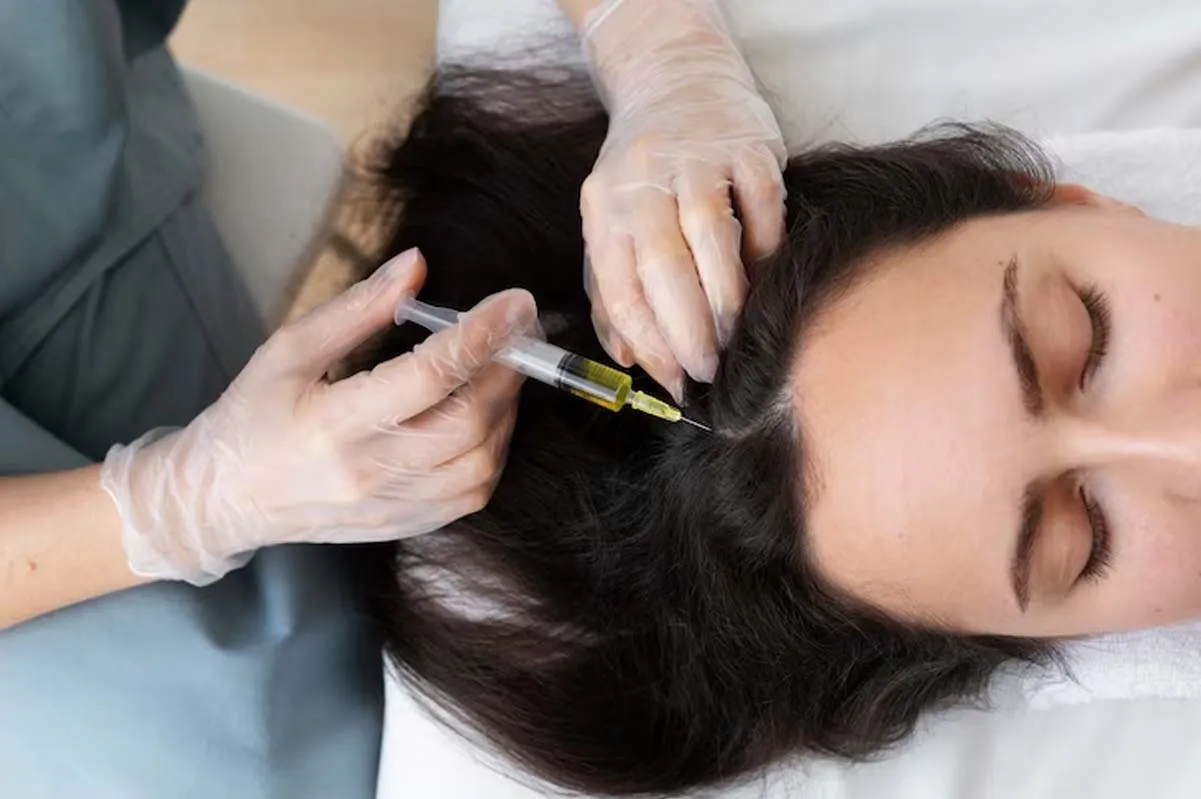
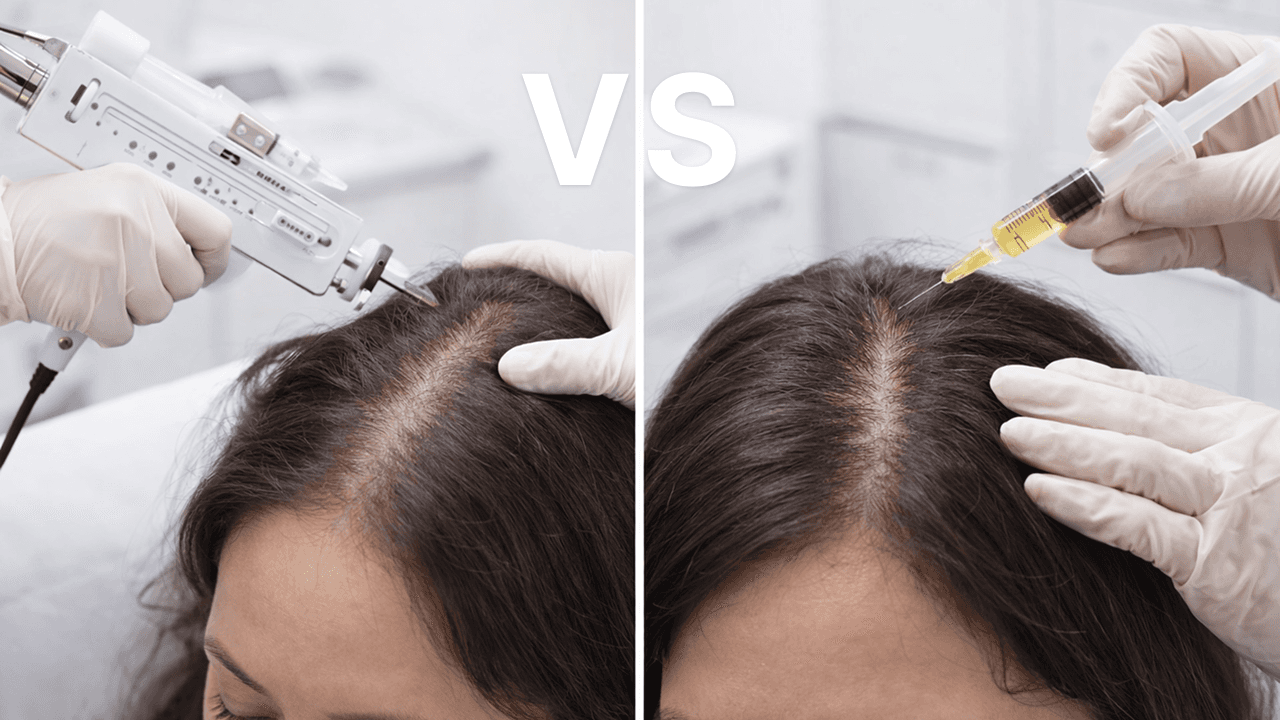
PRP therapy (Platelet Rich Plasma): This innovative method involves injecting your own blood plasma, enriched with growth factors, into the scalp to stimulate hair follicles and promote hair growth. Theeffectiveness of this treatmenthas been demonstrated in several clinical studies.
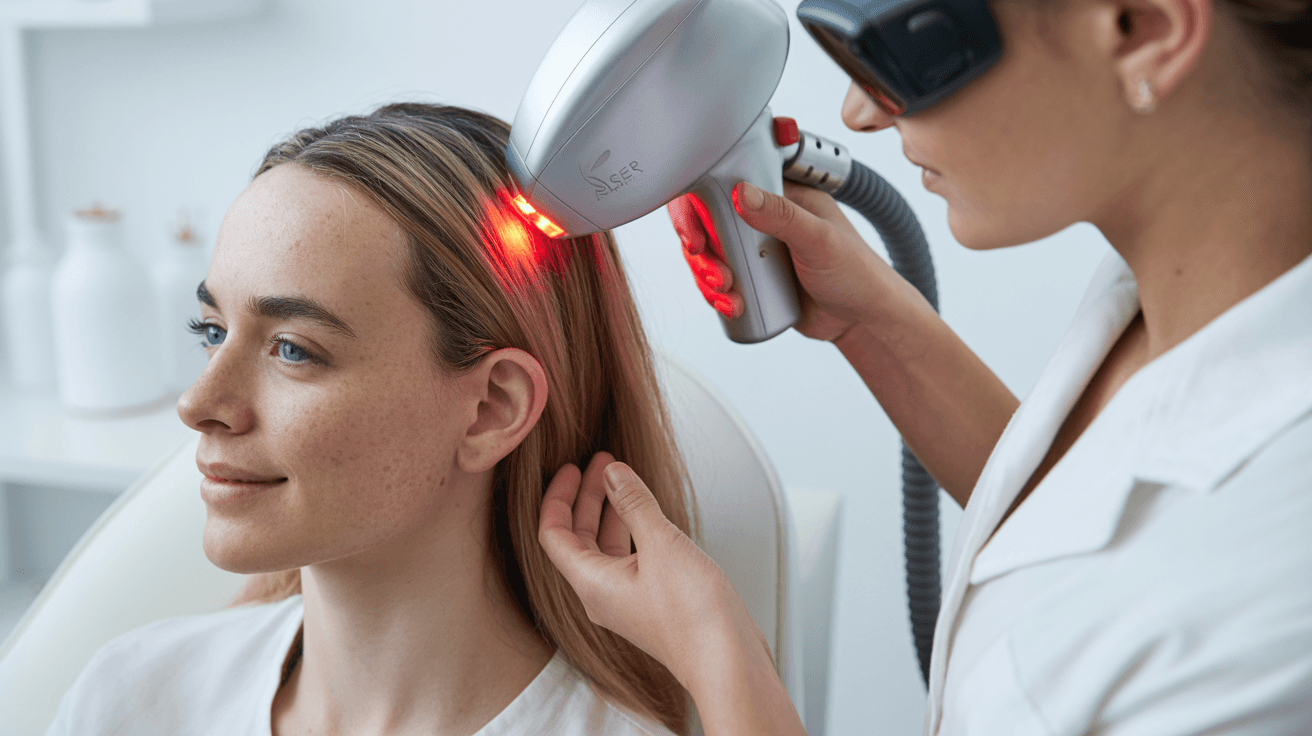
Laser hair growth therapy: Special low-intensity lasers can improve blood circulation in the scalp and stimulate metabolic activity in the hair follicles.
Mesotherapy: In this treatment, vitamin-rich solutions are introduced directly into the scalp using fine needles to nourish and strengthen the hair roots.
Hair transplantation
AS-Clinic offers state-of-the-art hair transplantation techniques as a permanent solution for advanced hair loss:
FUE technique (Follicular Unit Extraction): Individual hair follicles are extracted from the donor area (usually the back of the head) and transplanted into the balding areas. This method leaves no visible scars and allows for natural-looking results.
Low-pain procedure: Through local anesthesia and state-of-the-art instruments, we make the procedure as comfortable as possible.
Individual Hairline Design: Our experienced hair surgeons design a natural hairline that perfectly suits your face and age.
Comparison: Hair transplantation vs. PRP vs. Minoxidil
method | Invasiveness | naturalness | Lasting effect | Side effects |
|---|---|---|---|---|
Hair transplantation | High | Yes | Yes | Surgery required |
PRP | Minimal | Yes |  With refresher | No |
Minoxidil | No |  No | Only used while | Possible irritation |
Treatment successes and therapy comparison
Choosing the right treatment method depends on various factors. Here is a detailed comparison of the most important therapy options:
Treatment method | Success rate | Timeframe | durability | Cost-benefit ratio |
|---|---|---|---|---|
PRP therapy | 70-80% | 3-6 months | Refresher course needed | Medium to high |
Minoxidil | 60-65% | 4-6 months | Only when used | Low |
Finasteride | 80-85% | 3-12 months | Only when taken | Low |
Hair transplantation | 95-98% | Immediately visible | Permanently | Very high |
Mesotherapy | 60-70% | 2-3 months | Refresher course needed | Medium |
Scientifically proven effectiveness
Current clinical studies demonstrate the effectiveness of various treatment methods:
therapy | Study participants | Positive results | Follow-up period |
|---|---|---|---|
PRP | 2,500+ | 76% | 24 months |
Minoxidil 5% | 5,000+ | 62% | 48 months |
Finasteride 1mg | 3,000+ | 83% | 60 months |
Factors for treatment success
The chances of success for a therapy are influenced by several factors:
Early start of treatment
Consistent adherence to the therapy
Combination of different treatment methods
Individual genetic factors
General health condition
Stress levels and lifestyle
Long-term prognosis depending on treatment type
Type of treatment | 1 year | 3 years | 5 years |
|---|---|---|---|
Conservative (medication) | 65% | 60% | 55% |
PRP + Medication | 75% | 70% | 65% |
Hair transplantation | 95% | 90% | 85% |
Combination therapy | 85% | 80% | 75% |
*Percentages refer to patients with a stable or improved condition
New research shows that combination therapies in particular deliver promising long-term results.
Prevention and self-help
Even though hair loss is often genetically determined, there are things you can do to keep your hair healthy and minimize further hair loss:
Healthy eating
A balanced diet with sufficient protein, vitamins, and minerals is fundamental for healthy hair growth. The following are particularly important:
Protein-rich foods such as fish, poultry, eggs and legumes
Iron-rich foods such as green leafy vegetables, whole grain products and lean red meat
Omega-3 fatty acids from fish, flaxseeds and walnuts
Vitamin C for better iron absorption
Zinc-rich foods such as oysters, pumpkin seeds and whole grain products
Gentle hair care
Use mild, pH-neutral shampoos.
Avoid frequent blow-drying, straightening, or dyeing.
Avoid overly tight hairstyles that pull on the hair.
Massage your scalp regularly to promote blood circulation.
Comb and brush your hair gently, especially when it is wet.
Stress management
Since stress can be a significant factor in hair loss, effective stress management is important:
Regular exercise and sport
Relaxation techniques such as yoga, meditation or progressive muscle relaxation
Sufficient sleep
Schedule breaks and rest periods into your daily routine.
Post-PRP treatment care

Please note the following after treatment:
Do not wash your hair for 24 hours.
No sauna/solarium for 48 hours
No exercise for 24 hours
Use of mild shampoo is recommended.
Dietary supplement: Biotin, zinc, vitamin D3
Experiences with our treatments
"After just the third session, I saw significantly less hair loss. The combination of PRP and targeted nutritional supplements worked wonders for me." – Michael, 38
"After my pregnancy, I experienced severe hair loss. The therapy at the AS Clinic gave me back my self-confidence." – Lisa, 32
Why the AS Clinic?
AS-Clinic has established itself as a leading center for the treatment of hair loss. What sets us apart:
Years of experience: Our team, led by Ali Reza Simaee, has over 12 years of experience in hair restoration and has helped thousands of satisfied patients.
Over 1,000 successful hair treatments: Our extensive expertise is reflected in the high satisfaction of our patients.
Professional expertise: Our specialists are constantly expanding their knowledge and implementing the latest scientific findings in treatment.
State-of-the-art technologies: We invest in advanced equipment and techniques to achieve optimal results.
Individual approach: Each patient receives a customized treatment plan tailored to their specific needs.
Multilingual team(German, English, Persian)
Prices & Options

Initial consultation is free of charge.
PRP single session from €250
Hair transplantation from €2,290

3- or 6-packs with discount

Installment payment possible
Glossary: Terms briefly explained
PRP : Autologous blood plasma, which is rich in growth factors
Alopecia : Medical term for hair loss
Trichoscopy : Microscopic analysis of the scalp
DHT : Dihydrotestosterone, a hormone that plays an important role in genetically determined hair loss.
Anagen phase : growth phase of the hair
Grafts : Hair follicle units used in transplantation
New research and future prospects
Research in the field of hair loss is constantly evolving. Here is an overview of the latest developments:
Current research focus
Research area | Description | status | Expected availability |
|---|---|---|---|
JAK inhibitors | Medications for autoimmune hair loss | Phase 3 trials | 1-2 years |
Stem cell therapy | Hair follicle regeneration | Clinical trials | 3-5 years |
Exosome treatment | Stimulation of hair follicles by growth factors | Early studies | 2-4 years |
Gene therapy | Targeted treatment of genetic causes | basic research | 5+ years |
Promising new treatment approaches
Current scientific publications highlight the following innovative treatment options:
Therapeutic approach | Operating principle | Initial study results | Special features |
|---|---|---|---|
Baricitinib | JAK1/2 inhibitor | 33% hair regrowth | Already approved |
Ritlecitinib | JAK3 inhibitor | 40% success rate | Approval expected |
CTP-543 | Selective JAK inhibitor | 30-40% success | Phase 3 |
RCH-01 | Stem cell-based | First positive results | In development |
Personalized medicine
The future of hair loss treatment lies in personalized medicine:
Approach | method | Advantages | status |
|---|---|---|---|
Genetic screening | DNA analysis | Targeted therapy selection | Available |
Biomarker tests | Blood test | Early detection | In development |
AI-assisted diagnosis | Image analysis | Precise progress monitoring | Pilot phase |
Microbiome analysis | scalp flora | Individualized treatment | Research |
International research collaborations
The AS-Clinic is part of various research networks:
Participation in multicenter studies
Exchange with leading hair clinics worldwide
Access to the latest treatment methods
Regular training for the medical team
Current study results show that the combination of different innovative approaches in particular delivers promising results.
Contact and advice
Are you suffering from hair loss and finally want to do something about it? Schedule a personal consultation at the AS Clinic. Our expert team will take the time to answer your questions and develop an individualized strategy for your hair problem.