Mesotherapy Berlin – Your solution against hair loss
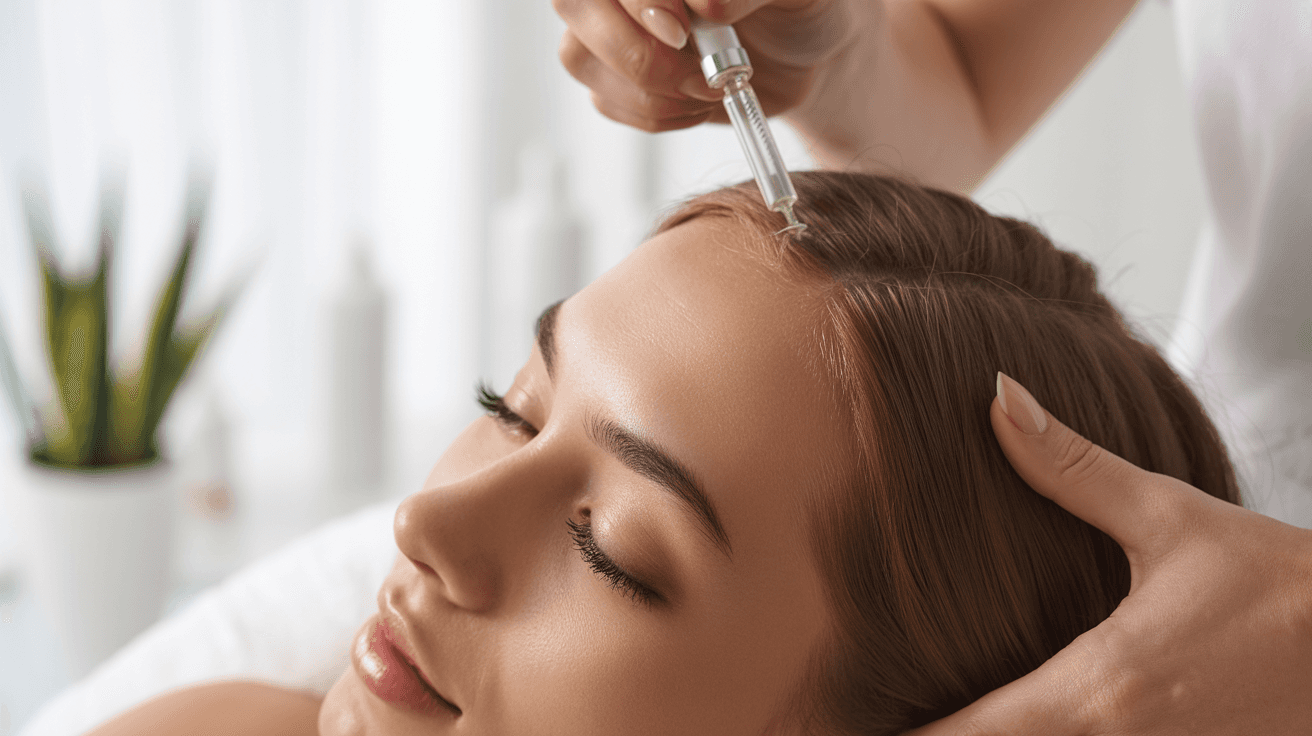
Mesotherapy is one of the most advanced minimally invasive treatment methods in modern aesthetic dermatology. In Berlin, it is enjoying increasing demand as a gentle alternative to more aggressive procedures. Through the precise application of micronutrients into the middle layer of the skin (mesoderm), skin rejuvenation, tissue regeneration, and metabolic optimization are specifically stimulated.
The combination of traditional medicine and state-of-the-art technology makes mesotherapy a preferred choice for patients of all ages in the cosmopolitan capital. This holistic approach reflects the growing awareness of sustainable beauty care among Berlin's population.
"Mesotherapy represents a holistic approach in aesthetic medicine, in which we activate the body's self-healing powers through targeted microinjections." — German Society for Mesotherapy
What is mesotherapy? History and principles of skin revitalization
Mesotherapy is a medical treatment method developed in 1952 by the French physician Dr. Michel Pistor. The term derives from the Greek word "mesos" (middle) and refers to the middle layer of the skin, into which carefully selected active ingredients are introduced using very fine needles. The precise placement of microinjections, which act directly at the site of the problem, is the core principle of the therapy.
Mesotherapy follows the medical principle of "little, infrequent, and in the right place"—a principle that offers a welcome counterpoint, especially in today's era of over-treatment and aggressive therapies. The targeted application of effective substances in minimal doses achieves optimal results with minimal side effects—a concept that perfectly aligns with the growing health consciousness of Berlin's population.
Historical development and scientific foundations
The history of mesotherapy is closely linked to the medical innovations of the mid-20th century. Dr. Pistor's groundbreaking research initially focused not on cosmetic applications, but on the treatment of peripheral circulatory disorders and chronic pain syndromes. The physician discovered by chance that local microinjections not only alleviated his patients' pain, but also had positive effects on their skin – an observation that laid the foundation for the later development of aesthetic mesotherapy.
In the 1970s, the method received official recognition from the French health authorities and began its triumphant spread, initially in the Romance-language countries of Europe and later worldwide. The scientific documentation of the results led to a continuous refinement of the protocols and techniques. Today, mesotherapy is particularly well-established in aesthetic medicine, where it is used for skin revitalization, wrinkle reduction, and the treatment of hair loss. The integration of the latest findings from dermatology, biochemistry, and cell biology has continuously improved the effectiveness of the treatment.
In Berlin, a city known for its openness to innovative healthcare concepts, mesotherapy has established itself as a key player in the field of aesthetic treatments in recent years. The capital, with its dynamic healthcare landscape, offers ideal conditions for the further development and refinement of this method by highly specialized physicians and clinics.
The operating principle: Targeted micronutrient supply and biological stimulation
The mechanism of action of mesotherapy is based on several complementary mechanisms, which in combination are responsible for the impressive results. First, it is important to understand that the skin is a complex organ with different layers and functions. The middle layer of the skin, the mesoderm, contains important structures such as blood vessels, nerves, collagen and elastin fibers, and fibroblasts – cells responsible for the production of structural proteins.
When specially formulated active ingredient cocktails are injected directly into this layer, they can take effect immediately without having to overcome the usual barrier of the outermost layer of skin (epidermis). This direct application allows for up to 100 times higher local concentrations of active ingredients compared to topical application via creams or serums. At the same time, significantly smaller amounts of active ingredients are required than with systemic administration via tablets or infusions, thus minimizing the risk of side effects.
Mesotherapy works on three levels:
Mechanical stimulation : The microinjections themselves trigger a healing stimulus that promotes the body's own regeneration. This mechanism is similar to that of microneedling, but goes beyond it due to the additional administration of active ingredients.
Biochemical effect : The active ingredients introduced – from vitamins and amino acids to hyaluronic acid – interact directly with the skin cells. They supply essential nutrients, activate metabolic processes, and promote the production of important structural proteins such as collagen and elastin.
Blood circulation-enhancing effects : The treatment improves microcirculation in the tissue, leading to better oxygen and nutrient supply and optimizing the removal of metabolic waste products. This is particularly important in the treatment of hair loss and cellulite.
This triple effect makes mesotherapy a versatile tool in modern aesthetic medicine, which is used in Berlin for a wide variety of indications.
Differences from other dermatological procedures
Compared to other aesthetic treatment methods, mesotherapy occupies a unique middle ground. It is more intensive and deeper than purely superficial treatments such as chemical peels or cosmetic applications, but significantly gentler than invasive procedures like surgical interventions. This positioning explains its growing popularity among the Berlin population, who are increasingly seeking effective yet gentle methods for skin improvement.
Proceedings | Penetration depth | Active ingredient concentration | Treatment duration | Downtime | Risk profile |
|---|---|---|---|---|---|
Mesotherapy | 1-4 mm | Customized | 30-45 minutes | Minimal (0-1 day) | Low |
Microneedling | 0.5-2.5 mm | Minor (only superficial) | 30-60 minutes | 1-3 days | Low |
PRP therapy | 1-4 mm | Body's own factors | 60-90 minutes | 1-2 days | Low |
Filler treatment | 2-10 mm | High (volume build-up) | 15-30 minutes | 1-3 days | Medium |
Botox | 2-5 mm | Very high (muscle blockage) | 10-20 minutes | 0-1 day | Medium |
Laser treatments | Variable | No (physical effect) | 30-60 minutes | 3-7 days | Medium to high |
Facelift | Surgical | None (mechanical gathering) | 2-4 hours | 10-14 days | High |
Mesotherapy proves to be particularly versatile, as it can be adapted to a wide range of indications depending on the combination of active ingredients and injection technique. It also combines exceptionally well with other procedures, a feature particularly valued in Berlin's holistic approach to aesthetic medicine.
Mesotherapy has established itself as a versatile treatment method for numerous aesthetic and dermatological challenges. Its effectiveness is based on the combination of various mechanisms of action: it delivers nutrients directly to their site of action, stimulates the body's own regenerative processes, and improves tissue microcirculation.
Skin rejuvenation and anti-aging
Applications of mesotherapy: Versatile solutions for aesthetic and dermatological challenges
Mesotherapy has established itself in recent years as an exceptionally versatile treatment method, offering effective solutions for numerous aesthetic and dermatological challenges. Its wide range of applications makes it one of the most flexible procedures in modern aesthetic medicine. In Berlin, a special spectrum of specialized applications has developed, tailored to the specific needs of the urban population – from treating stress-related skin aging in young professionals to the holistic revitalization of mature skin.
The effectiveness of mesotherapy is based on its ability to combine various mechanisms of action: it delivers essential nutrients directly to their site of action, stimulates the body's own regenerative processes, and simultaneously improves the microcirculation of the treated tissue. These synergistic effects enable a broad range of applications, which is continuously being expanded by new scientific findings and clinical experience.
Skin rejuvenation and anti-aging: Natural wrinkle reduction without surgery
Anti-aging applications are undoubtedly one of the main reasons for the growing popularity of mesotherapy in Berlin. Unlike invasive surgical procedures or temporary volume enhancement treatments, mesotherapy focuses on a lasting improvement in skin quality from within. The targeted application of moisturizing hyaluronic acid, antioxidant vitamins, and cell-renewing amino acids results in a profound revitalization of the skin tissue.
Berlin-based skin expert Dr. Karoline Schmidt explains: “Mesotherapy offers an ideal balance between effectiveness and naturalness. Our patients particularly appreciate that the treatment does not create a ‘mask-like’ appearance, but rather improves the skin's own structure while fully preserving natural facial expressions.”
The results are particularly impressive in:
Fine lines and beginning wrinkles
Sagging skin in the neck and décolleté area
Volume loss and decreasing skin elasticity
Tired, dull skin and uneven complexion
Enlarged pores and moisture deficits
Regular use leads to a measurable increase in skin density and elasticity. A recent study by the Berlin Institute for Dermatocosmetics showed that after a series of six mesotherapy sessions, skin hydration increased by an average of 42% and skin elasticity by 27%. The improvement in skin structure lasted for 6-9 months in most participants.
Mesotherapy for hair loss: Effective stimulation of the scalp
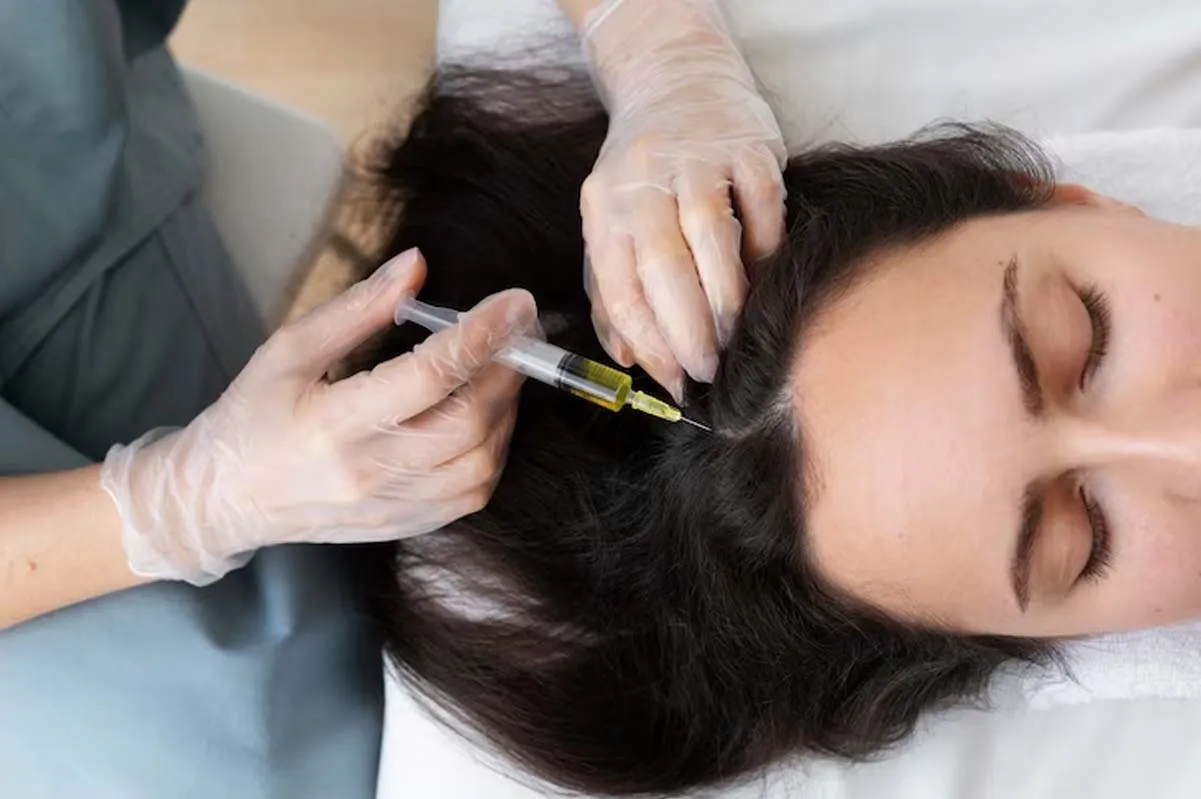
The fight against hair loss is one of the most emotionally charged topics in aesthetic medicine. Many sufferers have tried numerous remedies before discovering mesotherapy. In Berlin, where occupational stress and environmental pollution are often contributing factors, hair mesotherapy (often also referred to as "Mesohair") has established itself as an effective alternative or complement to conventional treatment methods.
Hair mesotherapy addresses several factors that can contribute to hair loss:
Nutrient deficiency in the scalp : The direct application of vitamins (especially B vitamins), minerals and trace elements optimizes the supply to the hair follicles.
Impaired blood circulation : Blood circulation-enhancing substances such as ginkgo extracts or artichoke extract improve the microcirculation of the scalp and thus the nutrient supply to the hair roots.
Hormonal influences : Specific active ingredients can locally weaken the effect of DHT (dihydrotestosterone), which is responsible for androgenetic alopecia.
Inflammatory processes : Anti-inflammatory components soothe the scalp in cases of inflammatory forms of hair loss.
The treatment shows particularly good results in:
Androgenetic alopecia in early and middle stages
Diffuse, stress-related hair loss
Seasonal hair loss
Supportive care after hair transplants
Alopecia areata (circular hair loss) in combination with other therapies
In Berlin, many specialists rely on individually formulated active ingredient cocktails tailored to the specific type of hair loss and personal needs. For example, stress-related hair loss might involve a higher proportion of B vitamins and calming plant extracts, while hormonally related hair loss is treated with a greater emphasis on DHT-blocking substances.
Cellulite and body contouring: Targeted treatment of problem areas
Cellulite, also known as "orange peel skin," affects over 80% of women and is one of the most common aesthetic concerns. In Berlin, a city with a vibrant bathing culture and year-round wellness offerings, the demand for effective cellulite treatments is correspondingly high.
Mesotherapy for the treatment of cellulite (often referred to as "mesolift" or "mesolipolysis") combines various mechanisms of action:
Lipolytic effect : Substances such as phosphatidylcholine, L-carnitine or caffeine promote the breakdown of local fat deposits.
Improved microcirculation : Blood flow-enhancing components support the removal of metabolic waste products.
Tightening of connective tissue : Collagen-stimulating active ingredients improve the structure and elasticity of the skin.
Draining effect : Lymph flow-activating substances reduce water retention.
Dr. Michael Berger, a leading expert in aesthetic body treatments in Berlin-Charlottenburg, emphasizes: "The special feature of mesotherapy for cellulite lies in its holistic approach. Unlike superficial creams or pure massage techniques, it addresses all factors that contribute to the development of orange peel skin."
This treatment is particularly suitable for:
Cellulite on thighs, buttocks and hips
Sagging tissue after weight loss
Localized fat deposits in combination with cellulite
Supportive treatment after liposuction for skin tightening
For optimal results, mesotherapy is often used in Berlin practices as part of a comprehensive treatment concept, which may also include nutritional advice, targeted physical activity and complementary treatments such as lymphatic drainage or ultrasound therapy.
Scar treatment and skin regeneration: New solutions for old problems
Scars are not just an aesthetic problem – they can also lead to functional impairments and psychological distress. Mesotherapy offers a promising therapeutic approach here, which can be particularly effective for atrophic scars (e.g., after acne) and older, hardened scar structures.
In the capital city of Berlin, where the demand for flawless skin is particularly high, more and more dermatologists and aesthetic physicians are relying on mesotherapy as a gentle alternative to more aggressive laser treatments or chemical peels.
Scar treatment using mesotherapy targets various aspects:
Dissolution of fibrotic structures : Enzymes such as hyaluronidase or collagenase can loosen hardened scar tissue.
Reorganization of collagen structure : Targeted stimulation of fibroblasts leads to an improved architecture of collagen fibers.
Improved microcirculation : Better blood flow promotes tissue regeneration.
Correction of pigmentary irregularities : Special active ingredients can correct both hyperpigmentation and hypopigmentation.
The results are particularly impressive in:
Atrophic acne scars
Older, hardened surgical scars
Stretch marks (striae)
Superficial burn scars
Sunken scars after infections or trauma
Scar treatment targets various aspects:
Dissolution of fibrotic structures : Enzymes can loosen hardened scar tissue.
Reorganization of collagen structure : Targeted stimulation of fibroblasts
Improved microcirculation : Better blood flow promotes tissue regeneration.
Correction of pigmentary irregularities : Active ingredients can correct pigmentation disorders.
Revitalizing tired skin: The "glow effect" for stressed complexions
The hectic pace of city life in Berlin, with its environmental pollution, irregular sleep patterns, and work-related stress, often leaves visible marks on the skin. A sallow complexion, early signs of fatigue, and diminished radiance can significantly affect one's appearance – long before actual signs of aging such as wrinkles appear.
This is where revitalizing mesotherapy, also known as "Skin Booster" or "Mesolift," comes in. Specially formulated vitamin cocktails with high concentrations of antioxidants, hyaluronic acid, and amino acids provide the skin with everything it needs for optimal regeneration.
The treatment is particularly popular with:
Smokers with a pale complexion
People with early signs of skin aging
City dwellers with increased exposure to environmental pollutants
People with stress-related skin problems
People after prolonged periods of illness or exhaustion
A special feature of revitalizing mesotherapy is the immediately visible "glow effect," which makes the skin appear fresher and more radiant after just the first treatment. This immediate effect makes the treatment a particularly popular "last-minute" option in Berlin, especially before important appointments or events.
Berlin-based beauty influencer Leyla Meier swears by regular mesotherapy: "Since I started having a mesotherapy treatment every two months, I have a fresh complexion even after working through the night. The combination of an immediate boost of freshness and long-term skin improvement makes the treatment indispensable for me."
Specific areas of application in Berlin's medical practice landscape
In Berlin's innovative medical scene, several specialized applications of mesotherapy have also become established that go beyond the classic indications:
Mesotherapy for rosacea : Special anti-inflammatory and vessel-stabilizing agents can alleviate the typical redness and inflammation of rosacea.
Post-laser rehabilitation : After ablative laser treatments, mesotherapy can accelerate the healing process and reduce side effects such as persistent redness.
Pigmentation disorders : Brightening and skin tone-balancing substances are used to treat hyperpigmentation and melasma.
Perioral dermatitis : In this common, often therapy-resistant skin disease, specially formulated mesotherapy cocktails can be a useful addition to classic treatment.
Support for problem skin and acne : Anti-inflammatory and antibacterial components can enhance standard therapy for inflammatory acne.
These specialized applications highlight the flexibility of mesotherapy and its potential to offer tailored solutions for individual skin problems – an aspect that is becoming increasingly important in personalized medicine as practiced in Berlin.
The active ingredients used: Scientifically formulated cocktails for maximum effect
Mesotherapy differs from many other aesthetic treatment methods in its ability to use individually tailored combinations of active ingredients. These customized "cocktails" are formulated based on a detailed skin analysis and enable highly precise treatment of a wide range of aesthetic indications. Berlin, a center for innovative medicine, offers particularly advanced mesotherapy protocols with scientifically validated combinations of active ingredients.
The core of every mesotherapy treatment is the careful selection of active ingredients, which are introduced directly into the middle layer of the skin. The range of active ingredients has expanded continuously over the decades and now encompasses an impressive spectrum of highly effective substances of natural and biotechnological origin.
Vitamins and antioxidants: a protective shield against skin aging
Vitamins play a key role in mesotherapy, as they support fundamental metabolic processes in the skin and simultaneously act as potent antioxidants. In the hectic metropolis of Berlin, where the skin is exposed daily to increased oxidative stress due to environmental pollution, this aspect is of particular importance.
The most important vitamins used in mesotherapy are:
Vitamin A (Retinol) : Promotes cell renewal and stimulates collagen production, making it a key active ingredient in the treatment of skin aging. Direct application to the skin bypasses typical irritations that can occur with topical application.
Vitamin C (ascorbic acid) : A powerful antioxidant that is also involved in collagen synthesis and has a lightening effect on age spots. The unstable nature of vitamin C makes direct injection particularly effective, as the active ingredient reaches its target unchanged.
Vitamin B complex : In particular, B3 (niacin), B5 (pantothenic acid), and B6 (pyridoxine) support cell repair mechanisms and improve the skin barrier function. B vitamins play a central role in hair mesotherapy for strengthening hair follicles.
Vitamin E (tocopherol) : Protects cell membranes from oxidative damage and synergistically complements the effect of vitamin C. In Berlin, it is frequently used in anti-pollution cocktails specifically designed to combat the stresses of urban life.
Dermatologist Dr. Thomas Müller from Berlin-Mitte explains: “The combination of different vitamins in precisely balanced ratios allows us to develop tailor-made solutions for a wide variety of skin problems. In particular, the synergistic effect of vitamins C and E has proven to be exceptionally effective in our practice for treating environmentally induced skin damage.”
Minerals and trace elements: The underestimated heroes of skin health
Minerals and trace elements are essential co-factors in numerous enzymatic processes and play a crucial role in the optimal function of skin cells. In mesotherapy, they are used in a targeted manner to compensate for deficiencies and optimize cellular metabolic processes.
The most important minerals used in mesotherapy include:
Zinc : Possesses anti-inflammatory and wound-healing properties, making it particularly valuable in the treatment of acne and scars. It also supports the regulation of the sebaceous glands.
Magnesium : Activates over 300 enzymes in the body and improves blood circulation, leading to better nutrient supply to the tissues.
Copper : Promotes collagen and elastin production and is therefore an important anti-aging ingredient.
Selenium : A powerful antioxidant that protects cells from free radicals and enhances the effect of vitamin E.
These minerals are often combined with other active ingredients in special mesotherapy cocktails to potentiate their effects. Direct injection bypasses absorption problems that can occur with oral administration and ensures optimal bioavailability directly at the site of action.
Hyaluronic acid: The moisture reservoir for youthful skin structure
Hyaluronic acid is undoubtedly one of the key active ingredients in modern aesthetic medicine and also occupies a special position in mesotherapy. As a natural component of our skin, it can bind enormous amounts of water – one gram of hyaluronic acid can store up to six liters of water. However, with increasing age, the body's own hyaluronic acid content decreases continuously, leading to moisture loss, reduced elasticity, and the formation of wrinkles.
Mesotherapy uses different types of hyaluronic acid, which differ in their molecular weight and therefore in their effect:
Hyaluronic acid type | Molecular weight | Primary effect | Ideal application |
|---|---|---|---|
High molecular weight | > 1,000 kDa | Superficial hydration, skin protection | Dry, dehydrated skin |
Medium molecular weight | 500-1,000 kDa | Deeper hydration | Fine lines, first wrinkles |
Low molecular weight | 80-500 kDa | Stimulation of collagen and elastin production | Anti-aging, skin tightening |
ultra-low molecular weight | < 80 kDa | Deep tissue penetration, cell regulation | Scars, severe skin laxity |
In Berlin, leading mesotherapy specialists like the AS Clinic rely on a combination of different types of hyaluronic acid to treat both superficial and deeper layers of the skin simultaneously. "The right mix makes all the difference," explains Dr. Anna Schneider, a dermatologist in Berlin-Charlottenburg. "By combining different molecular weights, we achieve both an immediate hydration effect and long-term stimulation of collagen production."
Mesotherapy with hyaluronic acid is characterized by particularly natural-looking results. Unlike traditional fillers, it doesn't focus on increasing volume, but rather on a gentle, even improvement in skin quality and texture. This aligns with the increasingly popular "no-filter look" in Berlin – a naturally fresh appearance without visible signs of treatment.
Amino acids and peptides: The building blocks for skin regeneration
Amino acids are the building blocks of all proteins and therefore essential for skin repair and regeneration processes. In mesotherapy, they are used to accelerate skin renewal and improve the structural integrity of the tissue.
Particularly important amino acids in mesotherapy are:
Glycine, proline and lysine : The main building blocks of collagen, which directly contribute to the formation of this important structural protein.
Arginine : Improves blood circulation through increased nitric oxide production, thus accelerating healing processes.
Cysteine : Rich in sulfur compounds and therefore important for the stability of proteins and protection against oxidative stress.
Peptides – short chains of amino acids with specific biological functions – are even more targeted than individual amino acids. These signaling molecules can precisely control cellular processes and are considered high-tech active ingredients in modern mesotherapy.
Biomimetic peptides : They mimic the body's own signaling proteins and specifically stimulate collagen and elastin production.
Neurotransmitter-inhibiting peptides : They work similarly to Botox by inhibiting muscle contraction, but more gently and naturally.
Transport peptides : Improve the delivery of other active substances into cells.
The combination of various amino acids and peptides enables highly specific mesotherapy protocols tailored to different skin aging phenomena. In Berlin, where many patients seek natural alternatives to more invasive procedures, these biocompatible active ingredients are enjoying increasing popularity.
Plant extracts and enzymes: Natural potency for modern aesthetic medicine
The integration of plant-based active ingredients is a growing trend in Berlin's mesotherapy landscape. Patients particularly interested in natural, sustainable treatment approaches appreciate the possibility of combining the effectiveness of mesotherapy with the power of plant extracts.
The most important plant extracts used in mesotherapy include:
Artichoke extract : Rich in cynarin, which has detoxifying and circulation-enhancing properties and is used in cellulite treatments.
Ginkgo biloba extract : Improves microcirculation and protects against free radicals, making it valuable for anti-aging applications and hair mesotherapy.
Centella Asiatica (Tiger Grass) : Promotes collagen synthesis and accelerates wound healing, ideal for scar treatments and sagging skin.
Green tea extract : Rich in polyphenols with strong antioxidant effects that can protect the skin from UV damage.
In addition to plant extracts, various enzymes are also used in mesotherapy, which catalyze specific biochemical reactions:
Hyaluronidase : Breaks down excess hyaluronic acid and can be used in scar treatments to loosen hardened tissue.
SOD (Superoxide Dismutase) : A powerful antioxidant enzyme that neutralizes free radicals and reduces oxidative stress.
Collagenase : Can be used in a controlled manner to promote the remodeling of hardened collagen structures in scars.
In Berlin, the selection and combination of these active ingredients is always based on an individual analysis of the skin's needs. "There is no one-size-fits-all approach to mesotherapy," emphasizes Dr. Laura Neumann, a specialist in natural aesthetic procedures in Berlin-Kreuzberg. "Every skin type is unique and requires its own tailored combination of active ingredients. The diversity of plant extracts, in particular, allows us to develop highly differentiated treatment concepts."
Specialized active ingredient complexes for various indications
Modern mesotherapy in Berlin increasingly utilizes highly specialized active ingredient complexes developed for specific indications. These ready-made preparations combine synergistically acting substances and guarantee standardized quality. At the same time, the option remains to individually supplement and adapt these complexes.
Examples of specialized mesotherapy complexes that are frequently used in Berlin:
Anti-aging complexes : Combinations of low molecular weight hyaluronic acid, antioxidants, DMAE and collagen-stimulating peptides for a comprehensive treatment of skin aging symptoms.
Hair cocktails : Special mixtures with B vitamins, zinc, bioactive peptides and blood circulation-enhancing substances for the treatment of hair loss and to strengthen hair growth.
Lipolytic mixtures : Combinations of phosphatidylcholine, L-carnitine, caffeine and plant extracts for targeted treatments of local fat deposits and cellulite.
Brightening complexes : Special mixtures with vitamin C, glutathione, arbutin and other brightening substances to treat hyperpigmentation and for a more even complexion.
Regenerative complexes : Combinations of growth factors, vitamins and antioxidants to support skin regeneration after injuries, scars or aesthetic procedures.
Choosing the right active ingredient complex requires sound medical knowledge and experience. In Berlin, specialized dermatology practices like the AS Clinic offer comprehensive consultations to determine the optimal composition for each patient. These consultations take into account both individual aesthetic goals and medical factors such as allergies, intolerances, or existing skin conditions.
The continuous development of mesotherapy active ingredients and their combinations makes this treatment method one of the most dynamic areas of aesthetic medicine. Patients in Berlin benefit from access to the latest, scientifically sound active ingredient complexes, which are continuously optimized through clinical studies and practical experience.
Procedure of a mesotherapy treatment
This section describes the typical course of mesotherapy from preparation to aftercare:
Initial consultation and analysis : Discussion of treatment goals and examination of the areas to be treated.
Skin preparation : cleansing and disinfection before treatment.
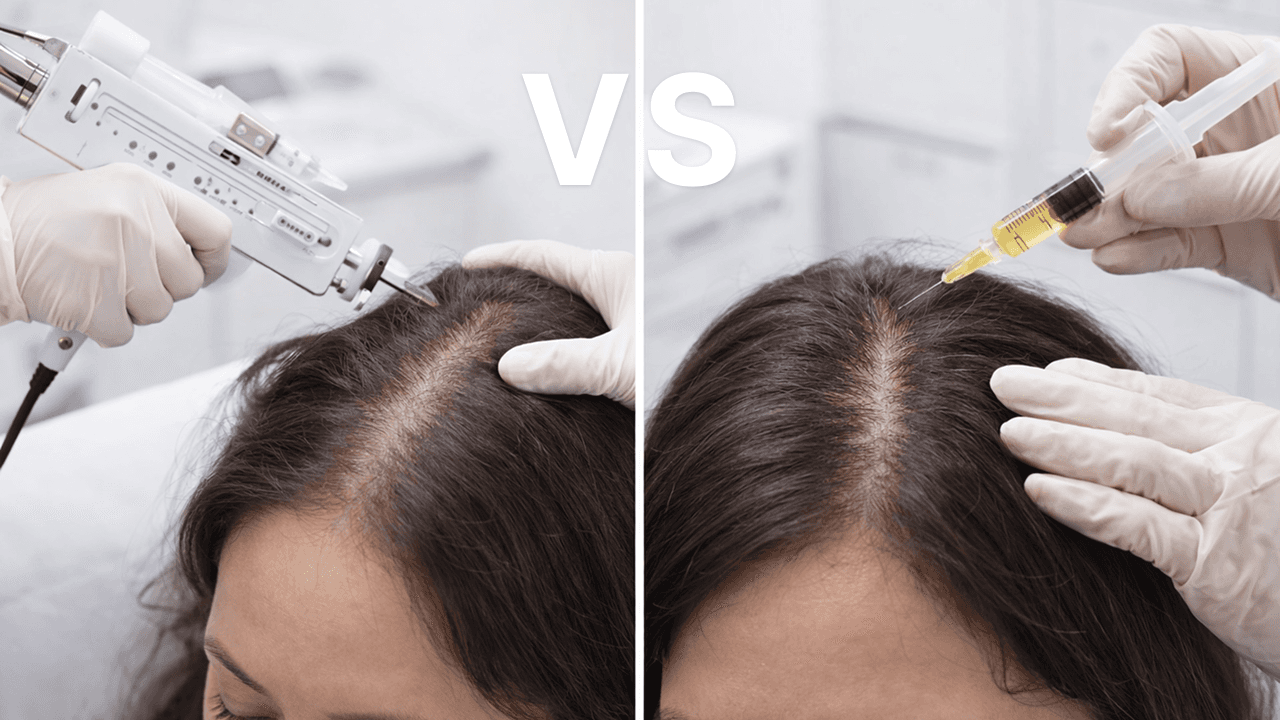
Administration of injections : Techniques of manual injection or the use of mesotherapy guns.
Aftercare and behavioral recommendations : Measures for optimal treatment results.
Treatment plan and repetitions : Recommendations regarding the number and frequency of sessions.
Advantages of mesotherapy
Here, the special advantages of mesotherapy compared to other treatment methods are highlighted:
Minimally invasive procedure with low risk
Short treatment duration and quick recovery time
No or minimal downtime
Natural-looking results
Versatile applications
Compatibility with other aesthetic treatments
Risks and side effects
An objective presentation of possible undesirable effects and how these can be minimized:
Temporary redness and swelling
Small bruises at the injection sites
Allergic reactions to certain active ingredients
Infection risk and how it is avoided through hygiene standards
Contraindications: When should mesotherapy not be performed?
Mesotherapy in Berlin: Find qualified providers
This section provides guidance on what to look for when searching for a suitable provider of mesotherapy in Berlin:
Qualifications and experience of the treating physician
Equipment and hygiene of the practice
Transparent advice and information
Seriousness of pricing
Customer reviews and testimonials
Cost of mesotherapy in Berlin: Transparent pricing and value analysis
For many prospective patients, investing in professional mesotherapy is a key factor in their decision. In Berlin, prices vary considerably depending on location, the practitioner's qualifications, and the products used. This section provides a realistic overview of the cost structure and helps you better assess the value of different offers.
The capital city of Berlin offers a wide price range for mesotherapy treatments, depending on both the geographical location within the city and the specialization and reputation of the practice. While some providers lure patients with low prices, potential patients should bear in mind that quality, safety, and effectiveness are closely linked to the expertise of the practitioner and the quality of the products used.
Current pricing structure for mesotherapy in Berlin
In 2025, the prices for a single mesotherapy session in Berlin typically range as follows:
scope | Entry price | Mid-range segment | Premium segment |
|---|---|---|---|
Facial treatment | €120-180 | €180-250 | €250-400 |
throat treatment | 100-150 € | 150-220 € | €220-300 |
Scalp/Hair Loss | 150-200 € | €200-280 | €280-450 |
Cellulite/Body (per zone) | €180-250 | €250-350 | 350-500 € |
Scar treatment | €130-180 | €180-250 | €250-350 |
Most Berlin clinics offer package deals for treatment series, often representing a 10-20% discount compared to individual treatments. A typical series of six facial rejuvenation treatments can cost between €600 and €1800, depending on the chosen quality level.
“It’s important to understand that it’s not just the price, but the overall concept that matters,” explains Dr. Klaus Werner, a dermatologist in Berlin-Wilmersdorf. “A well-designed series of treatments using mid-priced, but scientifically sound products can deliver significantly better results than an expensive single treatment without a well-thought-out plan.”
Factors influencing the price of mesotherapy
The significant price differences between different providers can be explained by several factors:
1. Practitioner's Qualifications:
The practitioner's expertise and experience are clearly reflected in the price. In Berlin, both dermatologists and general practitioners with additional qualifications perform mesotherapy. Treatments by specialists with years of experience and specific training in aesthetic medicine are generally more expensive, but often offer greater safety and better results.
2. Quality and composition of the preparations used:
The costs for high-quality mesotherapy products vary considerably. While simple vitamin cocktails are relatively inexpensive, specialized formulations with patented peptide complexes or high-molecular-weight hyaluronic acids can significantly increase the price. The individually tailored combinations of active ingredients offered in premium Berlin practices like the AS Clinic are in the upper price segment, but also promise customized results.
3. Location and equipment of the practice:
Practices in prime locations such as Kurfürstendamm or Gendarmenmarkt have higher operating costs, which are reflected in the treatment prices. Furthermore, a practice with state-of-the-art technical equipment, such as special mesotherapy guns or diagnostic devices for skin analysis, can justify higher prices.
4. Scope of pre- and post-treatment care:
Some Berlin practices include comprehensive skin analyses, detailed consultations, and special aftercare programs in their prices. These additional services can increase the overall price but often contribute significantly to the success of the treatment.
Cost comparison with alternative treatment methods
Compared to other aesthetic treatment options, mesotherapy is positioned in the mid-price segment:
Treatment method | Average price in Berlin | Durability of results | Required meetings per year |
|---|---|---|---|
Mesotherapy | €180-250 per session | 4-6 months | 2-3 series (8-12 sessions) |
Botox | €250-450 per treatment | 3-4 months | 3-4 treatments |
Hyaluronic acid filler | €350-600 per syringe | 6-12 months | 1-2 treatments |
Thread lift | €800-2,500 | 12-18 months | 1 treatment |
Fraxel laser | €400-800 per treatment | Long-lasting | 3-5 treatments (one-time only) |
Premium cosmetics | €120-180 per treatment | 2-4 weeks | 12-24 treatments |
Many patients in Berlin view mesotherapy positively in the long term. While the initial costs for a complete course of treatment may be higher than for simple cosmetic treatments, the effects last longer and the biological impact is more profound.
Cost factors in year-on-year comparison: Berlin 2023-2025
2023
Average price per session:
€150-220
Typical series size:
4-5 sessions
2024
Average price per session:
€160-240
Typical series size:
5-6 sessions
2025
Average price per session:
€180-250
Typical series size:
6-8 sessions
The price trend shows a moderate increase, partly due to the use of high-quality, latest-generation active ingredient complexes and more comprehensive treatment protocols. At the same time, the average treatment duration has also lengthened and the quality of results has significantly improved.
Financing options and cost management
Patients in Berlin have several options available to manage the costs of a mesotherapy series:
Payment in installments: Many Berlin practices, including the AS Clinic, offer interest-free installment payments for more extensive treatment series. This allows the costs to be spread over 3-12 months without additional fees.
Loyalty discounts: Regular patients receive discounts of 10-15% on follow-up treatments or combination therapies in many practices.
Seasonal promotions: Especially in spring and autumn, numerous Berlin practices offer special conditions for mesotherapy packages, often with discounts of 15-20%.
Health account: Some private health insurance companies and supplementary insurance plans offer the possibility of financing aesthetic treatments from a personal health budget.
Prevention subsidies: In rare cases, medically indicated mesotherapy treatments, for example for pathological hair loss, may be partially covered by health insurance. However, this requires a corresponding diagnosis and prescription from a specialist.
Investing in high-quality mesotherapy should be considered a long-term strategy for skin health and aesthetic well-being. "The biggest mistake is choosing solely based on price," warns Dr. Sophie Berger, medical director of a renowned dermatology practice in Berlin. "The practitioner's qualifications and the quality of the products are crucial for your safety and the success of the treatment. A well-performed mesotherapy treatment with high-quality products can even be more cost-effective in the long run than several cheaper treatments with inferior results."
Frequently Asked Questions about Mesotherapy: Comprehensive Patient Guide
In our Berlin practice, we regularly receive questions about mesotherapy. Here you will find well-founded answers to the most frequently asked patient questions, based on current medical findings and many years of clinical experience.
General questions about mesotherapy
Is mesotherapy painful?
How quickly are results visible after mesotherapy?
The visibility of the results varies depending on the application area:
Skin rejuvenation: An immediate "glow effect" is often visible after the first treatment. The structural improvement of the skin develops gradually over 2-3 weeks and intensifies with each subsequent treatment.
Hair loss: Initial improvements, such as reduced hair loss, are noticeable after 3-4 sessions (approximately 4-6 weeks). Visible regrowth of new hair typically appears after 8-12 weeks.
Cellulite: An initial improvement in skin structure is noticeable after 2-3 treatments, visible differences in skin relief after 4-6 treatments (approx. 6-8 weeks).
How long will the results last?
The longevity of the results depends on various factors:
Individual skin characteristics: age, skin type, lifestyle
Areas of application: Face (6-9 months), hair loss (continuous treatments recommended), cellulite (6-12 months)
Number of treatments: A complete series leads to longer-lasting results than single treatments.
Aftercare: Skincare routine, sun protection, diet, nicotine consumption
Maintenance treatments at regular intervals (every 2-4 months) can stabilize the results in the long term. In Berlin, patients with consistent follow-up care report significantly longer durations of effect than average.
Questions about treatment planning
How many treatments are necessary for optimal results?
The recommended number of treatments depends on the area of application:
indication | Recommended number | Treatment interval | conservation |
|---|---|---|---|
Skin rejuvenation | 4-6 sessions | 1-2 weeks | Every 3-4 months |
hair loss | 8-12 sessions | 7-14 days | Every 4-8 weeks |
Cellulite | 8-10 sessions | 7-14 days | Every 1-3 months |
Scar treatment | 6-8 sessions | 3-4 weeks | As needed |
For treatment in our Berlin practices, an individually tailored treatment plan is created that adapts these guidelines to your personal situation.
Can I combine mesotherapy with other treatments?
Yes, mesotherapy can be combined very effectively with other aesthetic treatments. Common and particularly effective combinations in our Berlin practice include:
– Mesotherapy + Microneedling : Enhanced penetration of active ingredients and additional collagen stimulation (interval: 2-3 weeks)
– Mesotherapy + PRP (platelet-rich plasma therapy) : Synergistic effect through growth factors and targeted nutrients (can be performed in the same session)
– Mesotherapy + Fraxel laser : Mesotherapy 2-4 weeks after laser treatment to support skin regeneration
– Mesotherapy + Botox/Fillers : Mesotherapy for skin quality, Botox/Fillers for structural improvements (interval: at least 1 week)
A dermatological specialist should create a personalized treatment plan that takes into account the optimal sequence and timing of the various procedures.
Questions about aftercare and everyday compatibility
Can I resume my normal activities immediately after mesotherapy?
Mesotherapy is considered a "lunch-break treatment" because you can resume most normal activities immediately after the treatment. However, the following limitations apply:
– Immediately possible : Resuming work (office work), driving, light physical activity
– Avoid for 6-12 hours : Applying makeup, intensive facial cleansing
– Avoid for 24 hours : Intense sports activities, sauna visits, hot baths
– Avoid for 48-72 hours : Direct sunlight, chlorinated water (swimming pool)
Slight redness may occur, especially after facial treatments, but this usually subsides within a few hours. A cooling aftercare cream, available at our practice, can shorten this period.
How do I care for my skin after mesotherapy?
Proper aftercare significantly supports the success of the treatment:
The first 24-48 hours:
– Gentle cleansing with mild, pH-neutral products
– Special soothing care (e.g., with aloe vera, panthenol)
– Cooling if needed (not directly with ice, but with cooling packs wrapped in a cloth)
– High sun protection factor (at least SPF 30) during daylight
The first 7 days:
– Avoid exfoliants or retinol-containing products
– Avoid alcohol-based toners or harsh ingredients
– Increase fluid intake to support metabolism
– If undergoing hair mesotherapy: do not use hair dyes
At the AS Clinic, our Berlin patients receive a special aftercare product and a detailed care plan that is individually tailored to the skin type and the treatment performed.
Specific questions on various application areas
How effective is mesotherapy for hair loss compared to other methods?
Hair mesotherapy shows particularly good results in certain forms of hair loss:
– Androgenetic alopecia (hereditary hair loss) : Studies show success rates of 60-85% with regular use
– Diffuse hair loss : Very good results with stress-related or seasonal hair loss
– Alopecia areata (patchy hair loss) : Moderate success in combination with other therapies
Compared to alternative treatments:
– vs. Minoxidil : Mesotherapy is more targeted and has fewer side effects
– vs. Finasteride : Mesotherapy has fewer systemic side effects but is less effective in advanced male pattern baldness
– vs. PRP : Comparable results, mesotherapy is often more cost-effective
– vs. Hair transplantation : Not an alternative for severe hair loss, but ideal as a supportive therapy before/after transplantation
At AS Clinic Berlin, we often rely on combination therapies for optimal results in treating hair loss.
Can mesotherapy really reduce wrinkles?
The effectiveness of mesotherapy against wrinkles is scientifically documented:
– Superficial wrinkles : Very good results due to improved skin hydration and structure
– Moderate wrinkles : Moderate reduction through collagen stimulation and improved skin hydration
– Deep wrinkles : Less pronounced effect; here, complementary treatments such as fillers are recommended
A study by the University of Madrid (2019) showed a measurable reduction in wrinkle depth by an average of 27% after 6 mesotherapy sessions with hyaluronic acid and vitamin complexes.
The best results are achieved when there are early signs of skin aging – the preventive use of mesotherapy from the age of 30 can significantly delay the development of deeper wrinkles.
For whom is mesotherapy not suitable?
Despite its favorable safety profile, mesotherapy is not suitable for everyone. Contraindications include:
– Pregnancy and breastfeeding
– Known allergies to ingredients in the preparations used
– Acute skin infections or inflammatory skin diseases in the treatment area
– Coagulation disorders or use of certain blood-thinning medications
– Autoimmune diseases in acute flare-up
– Severe systemic diseases
– Cancers (depending on type and stage)
– Severe endocrine disorders
In cases of certain pre-existing conditions, such as diabetes mellitus or thyroid dysfunction, an individual medical assessment is necessary. At our Berlin practice, we conduct a thorough medical history before every initial treatment to accurately determine suitability for mesotherapy.
Do you have further questions about mesotherapy? Our experts at the AS Clinic Berlin are happy to offer you a personal consultation. Simply schedule an appointment for a free initial consultation or find out more in our comprehensive guide to mesotherapy .
Is the treatment painful?
How quickly will results be visible?
How long will the results last?
How many treatments are needed for optimal results?
Can I immediately resume my normal activities after the treatment?
For whom is mesotherapy not suitable?
More information about mesotherapy treatments | Mesotherapy FAQs
Conclusion: Mesotherapy as a versatile solution for aesthetic challenges
Mesotherapy has established itself in Berlin as a popular and effective treatment method for various aesthetic applications. This minimally invasive technique offers many advantages over more complex procedures: it is virtually painless, requires no downtime, and delivers natural-looking results. The flexibility in formulating the active ingredient cocktails, in particular, allows for individual customization to meet the specific needs of each patient.
Whether for skin rejuvenation, hair loss, or cellulite treatment, mesotherapy offers a gentle and effective solution for many aesthetic concerns. In Berlin and the surrounding area, you'll find numerous qualified providers who perform this treatment at the highest level. When choosing the right practice, you should pay attention to the practitioner's professional qualifications, the quality of the products used, and transparent consultation.
For optimal results, a series of treatments is usually necessary, tailored to your individual needs. Investing in high-quality mesotherapy pays off with long-lasting results and a natural appearance. Consult a specialist to determine if mesotherapy is suitable for your specific concerns.
AS Clinic: Your specialist for mesotherapy in Berlin
AS Clinic has established itself as one of the leading centers for mesotherapy in Berlin and the surrounding area. With a specialized team and state-of-the-art technology, we offer individualized solutions for every patient, adhering to the highest standards of the German Society for Aesthetic Botulinum Toxin Therapy .
Our expertise
The AS Clinic team has extensive experience in the field of hair transplantation with a special focus on mesotherapy:
More than 10 years of experience in performing mesotherapy, hair and eyebrow transplantation
Specializing in natural-looking results
Individual adaptation of the treatment to the specific needs of each patient
Continuous professional development and implementation of the latest technologies
Our methods
We rely on scientifically sound and state-of-the-art methods:
Advanced FUE technique : Minimally invasive extraction of individual follicular units using state-of-the-art micro-instruments
DHI method : Direct implantation for precise placement and natural growth direction.
CMDHi procedure : Our innovative combination of micro-FUE and DHI for optimal results
Computer-aided planning : Precise analysis and planning
Comprehensive service
Our patients benefit from a comprehensive, worry-free package:
Comprehensive initial consultation : Individual analysis and realistic assessment of the possibilities
Transparent pricing : No hidden costs or unexpected additional fees.
Structured aftercare : Close monitoring after the procedure with several check-up appointments.
Emergency hotline : Direct contact for questions or concerns after the procedure
Aftercare set : Special care products for optimal healing
Central location in Berlin
AS Clinic is centrally located in Berlin and easily accessible:
Good public transport connections
Parking spaces in the immediate vicinity
Modern and discreet premises
Pleasant and relaxed atmosphere